How Fleet Tracking Reduces Fuel Costs and Improves Efficiency in 2026
Discover where fuel spend is hiding — and how smarter fleet visibility helps control it.
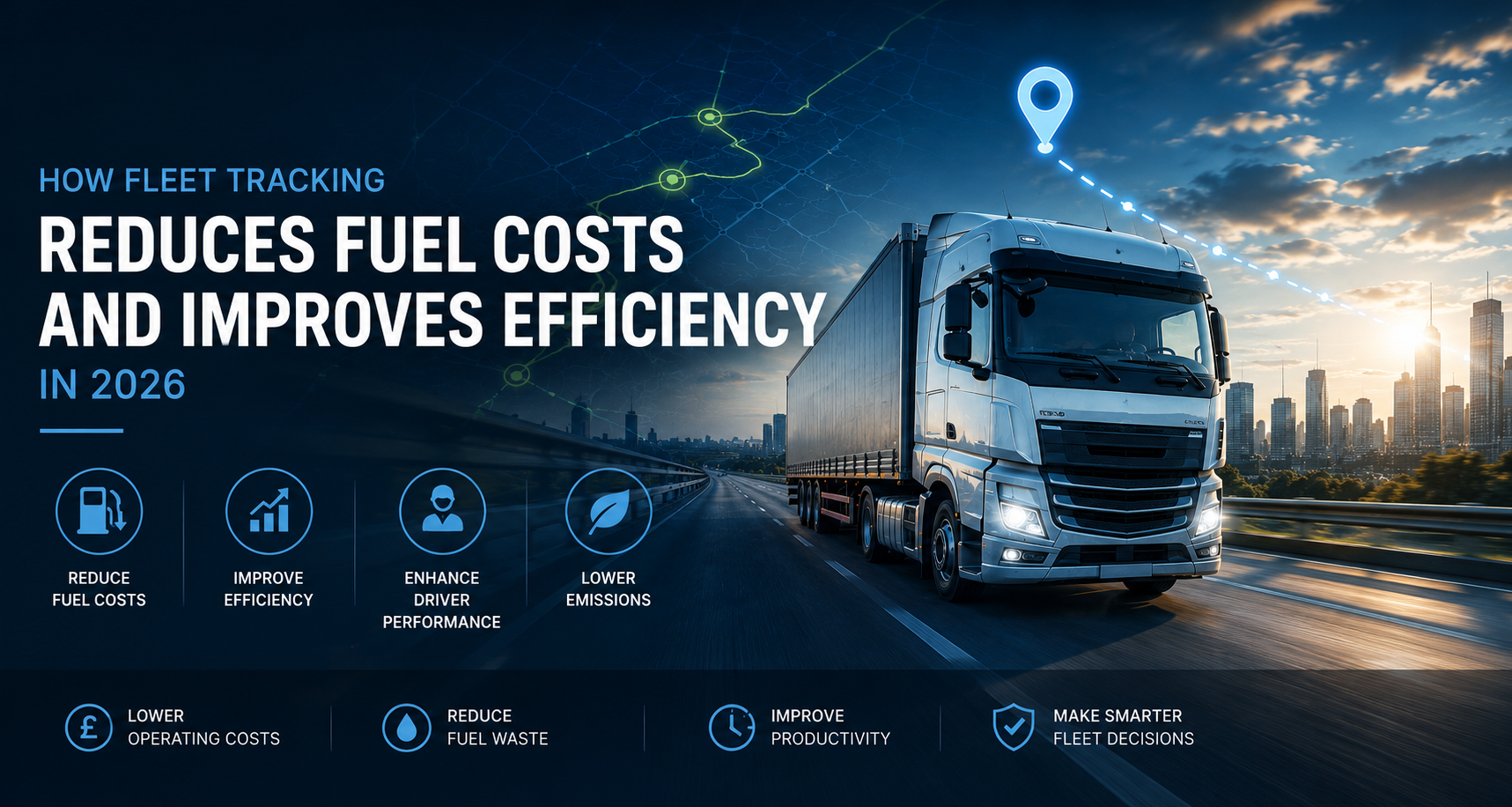
Fuel remains one of the biggest operating costs for fleets across the UK. With rising operating expenses and increasing pressure to improve margins, many businesses are discovering that reducing fuel spend isn’t about driving less — it’s about operating smarter.
Fleet tracking technology has evolved far beyond simple vehicle location. Modern platforms now provide the data needed to reduce unnecessary fuel usage, improve driver behaviour and increase operational efficiency across an entire fleet.
If your business operates vans, HGVs, plant or commercial vehicles, fleet tracking could be one of the fastest ways to improve performance in 2026.
Why Fuel Costs Continue to Rise for Fleets
Many businesses assume fuel spend is unavoidable.
In reality, hidden operational inefficiencies often contribute significantly to unnecessary fuel usage.
Common causes include:
- Excessive idling
- Unplanned route deviations
- Congestion delays
- Harsh acceleration and braking
- Excess vehicle usage
- Poor dispatch planning
- Unauthorised vehicle movement
- Lack of accountability across drivers
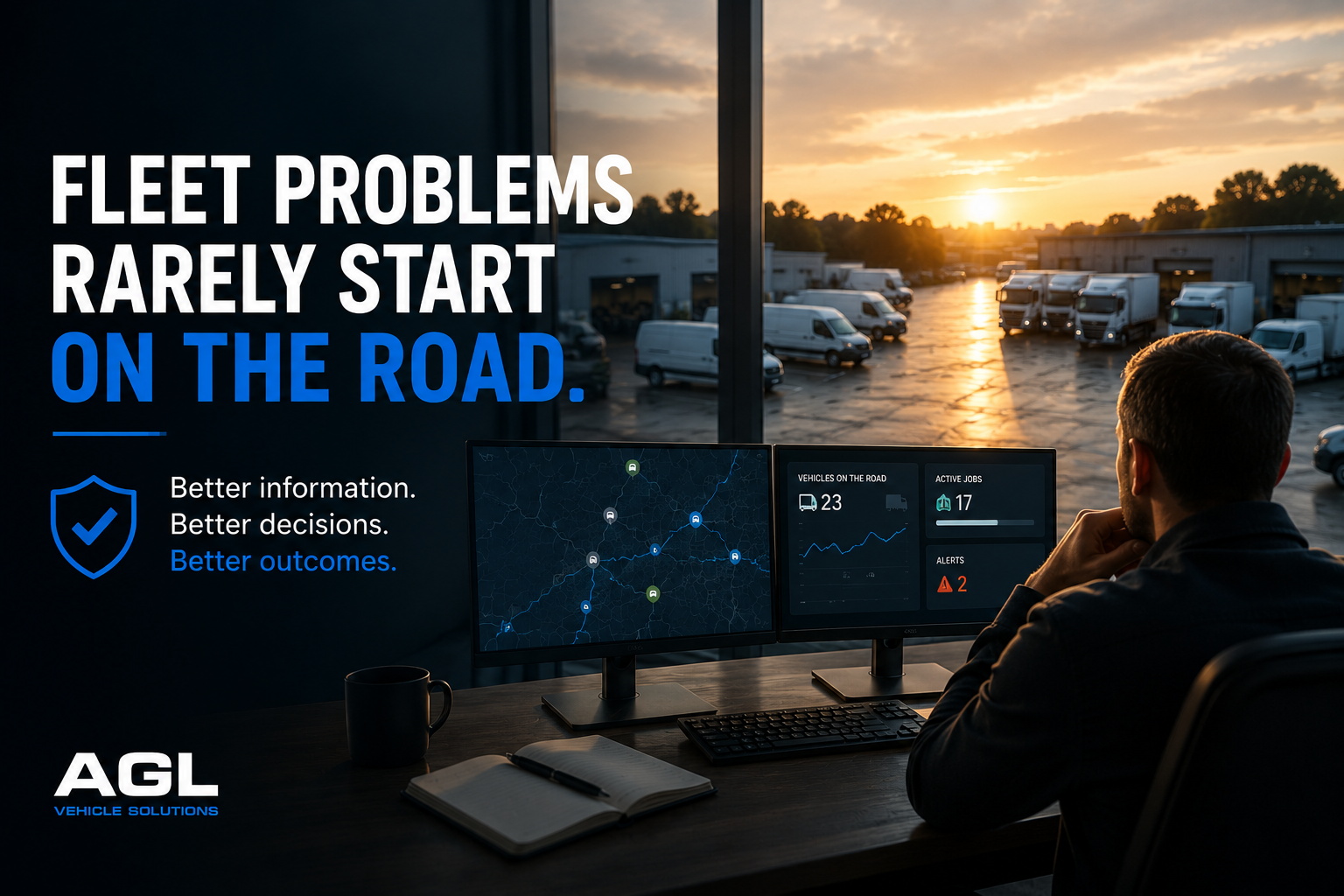
Without visibility, these issues are difficult to identify — and even harder to improve.
How Fleet Tracking Helps Reduce Fuel Costs
1. Eliminate Unnecessary Idling
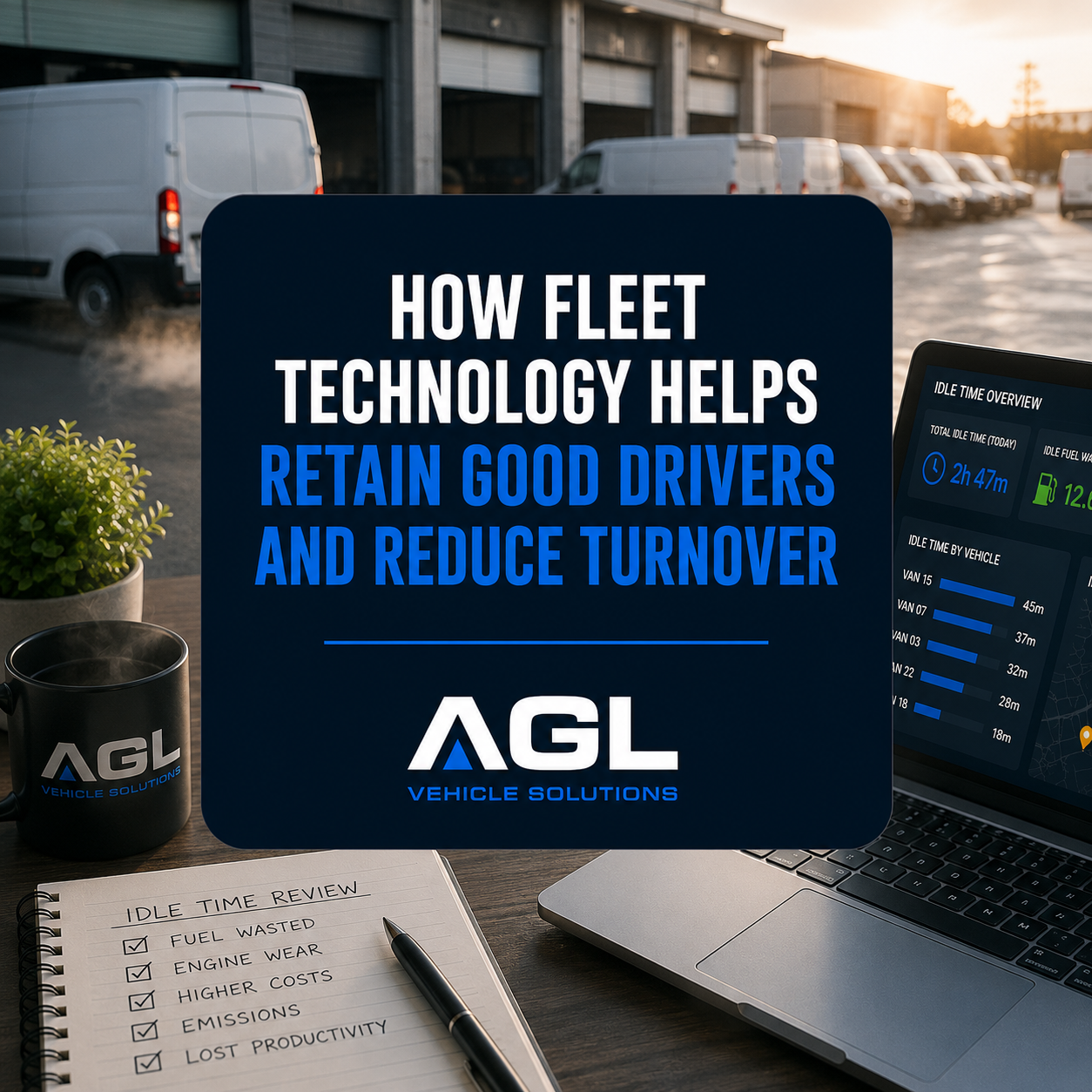
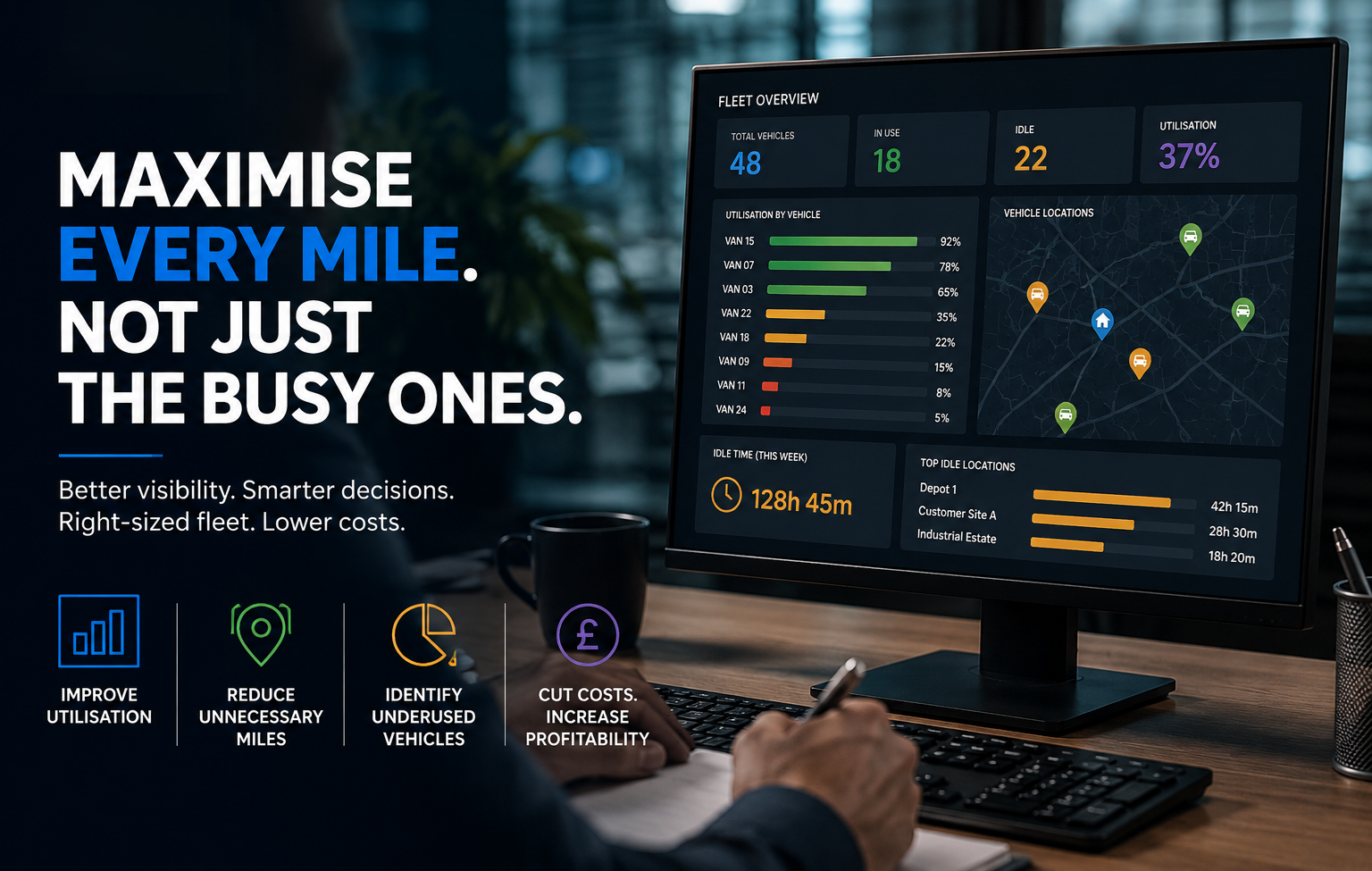
Idling vehicles consume fuel while generating zero productivity.
Fleet tracking highlights:
- Idle duration
- Repeat idling locations
- Vehicle utilisation trends
Managers can quickly identify patterns and reduce avoidable engine running time.
2. Improve Driver Behaviour
Driving style has a direct impact on fuel efficiency.
Modern fleet tracking systems provide insights into:
- Harsh acceleration
- Excessive speed
- Harsh braking
- Long idle periods
Small behaviour improvements across multiple drivers can create meaningful savings over time.
3. Optimise Routes and Reduce Mileage
Every unnecessary mile increases operating costs.
Fleet tracking enables businesses to:
- Analyse route efficiency
- Reduce duplicate journeys
- Improve scheduling
- Allocate vehicles more effectively
Smarter routing means lower fuel usage and improved productivity.
4. Increase Fleet Efficiency Through Better Decisions
Fleet data allows operators to understand:
- Vehicle utilisation
- Journey frequency
- Time spent on site
- Asset productivity
This insight helps businesses maximise output without increasing fleet size.
The Wider Benefits Beyond Fuel Savings
Reducing fuel costs is often only the beginning.
Businesses implementing fleet tracking frequently see improvements in:
✓ Operational efficiency
✓ Driver accountability
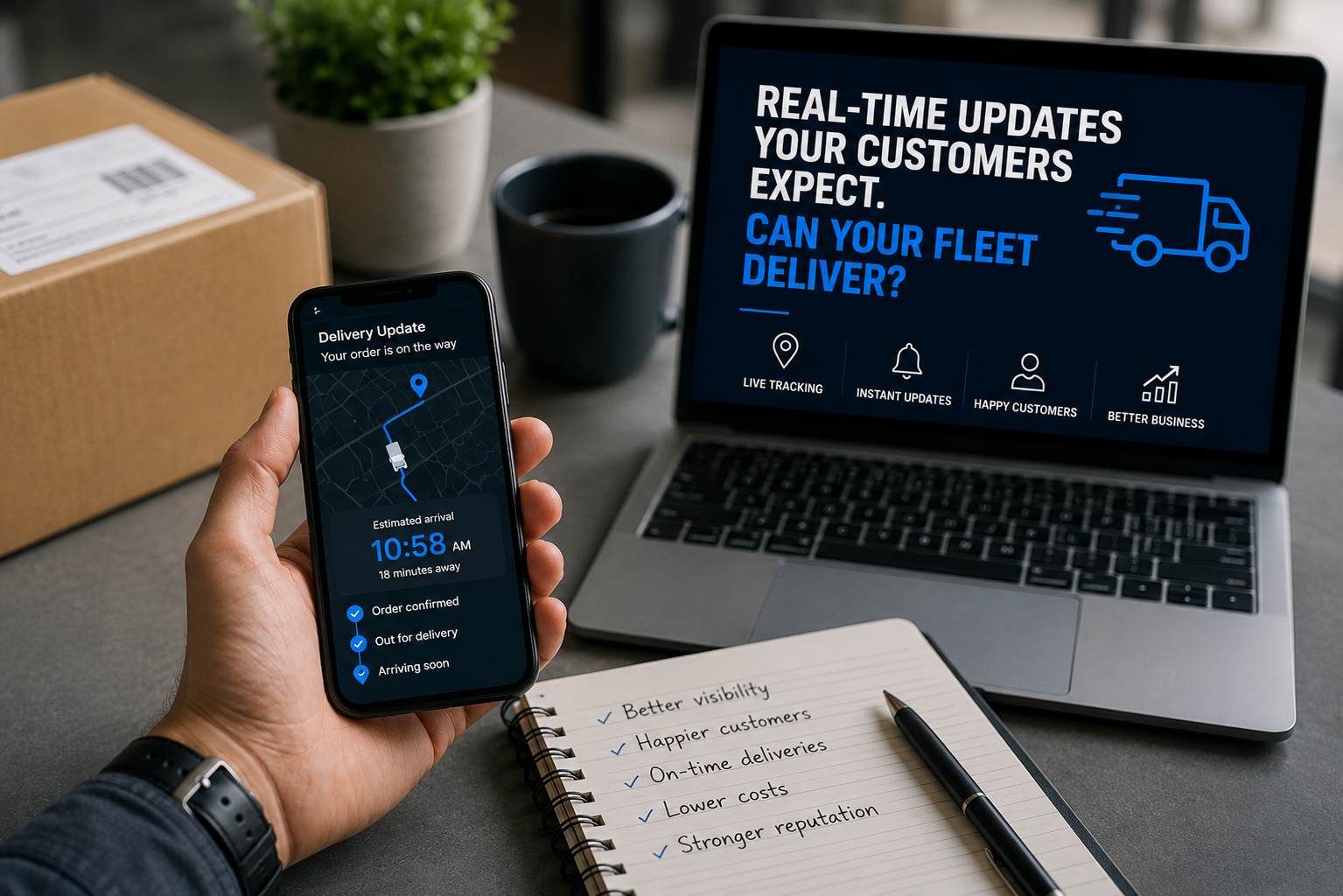
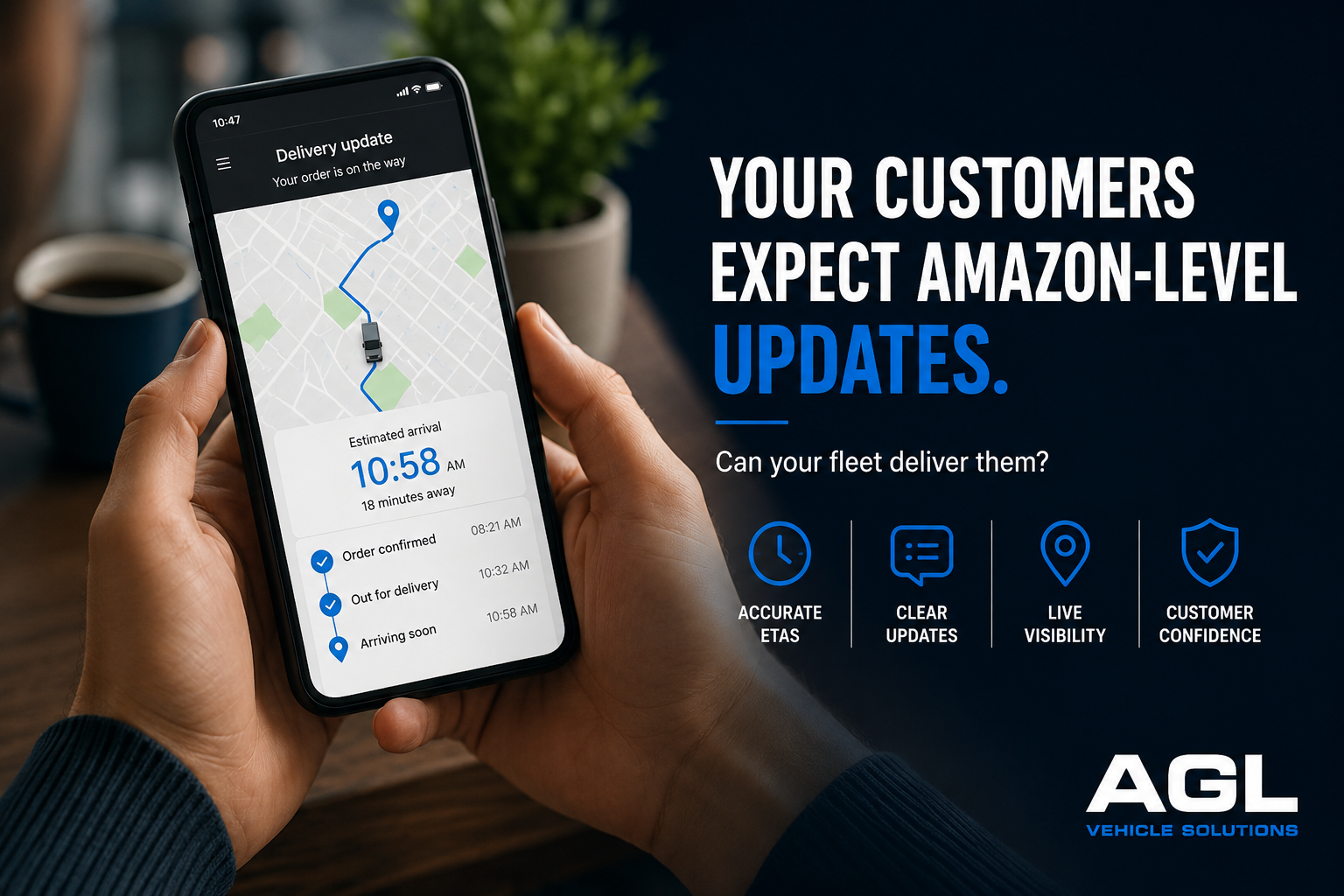
✓ Customer service
✓ Vehicle utilisation
✓ Reduced wear and tear
✓ Improved scheduling
✓ Lower emissions
The result is a more efficient and profitable fleet operation.
Is Your Fleet Running Efficiently?
Many businesses already have tracking installed but are only using a fraction of the available data.
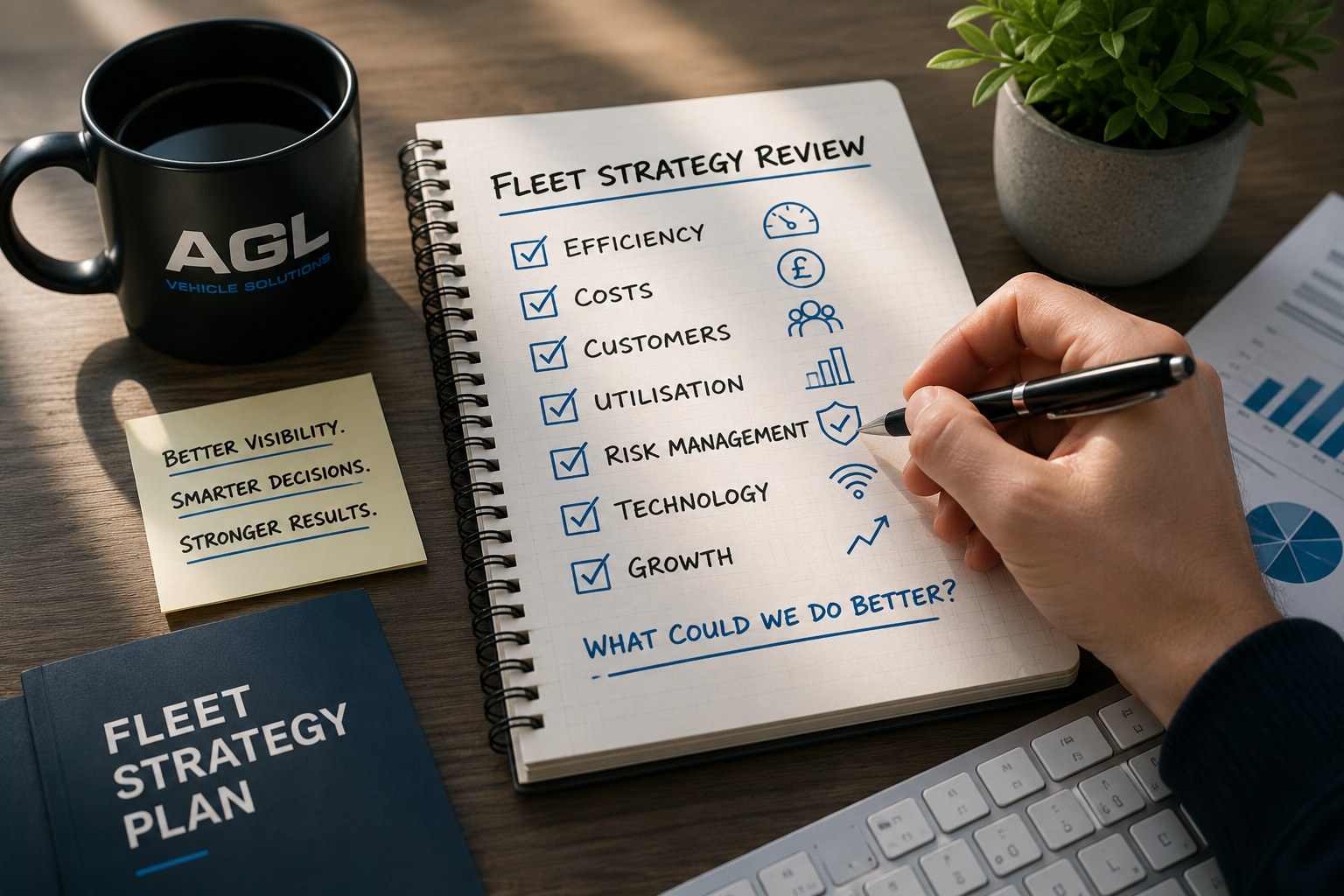
A fleet review can uncover hidden opportunities to reduce fuel spend and improve performance.
Book a Fleet Review
Discover how smarter tracking and telematics can help reduce fuel costs, improve fleet efficiency and increase operational visibility.
Contact AGL Vehicle Solutions to arrange your fleet review.
0800 009 6419
aglsales@agl-ltd.co.uk