What Is First Notification of Loss (FNOL) and How Can Fleet Technology Reduce Claims?
Faster evidence. Faster decisions. Better fleet protection.

When a vehicle incident happens, every minute matters.
Delays in collecting information, uncertainty around what happened and incomplete evidence can all increase the cost and complexity of a claim.
That’s where First Notification of Loss (FNOL) plays a critical role.
For fleet operators, combining fast incident reporting with modern fleet technology can significantly improve response times, reduce claims costs and protect drivers.
But what exactly is FNOL — and how can technology improve the process?
What Is First Notification of Loss (FNOL)?
First Notification of Loss (FNOL) is the first report made after a vehicle incident, collision, theft or damage event occurs.
This initial notification starts the claims process.
The quality and speed of this first report can influence:
- Claims handling times
- Repair timelines
- Insurance outcomes
- Driver support
- Operational disruption
The earlier accurate information becomes available, the faster decisions can be made.
Why Traditional Claims Processes Can Be Costly
Without visibility, businesses often rely on:
- Driver recollection
- Third-party reports
- Delayed photographs
- Manual paperwork
- Incomplete incident details
This can create:
✕ Disputed liability
✕ Longer vehicle downtime
✕ Increased administration
✕ Delayed repairs
✕ Higher overall claim costs
Fleet operators increasingly need evidence — not assumptions.
How Fleet Technology Improves FNOL
Modern fleet technology helps create a faster and more accurate first notification process.
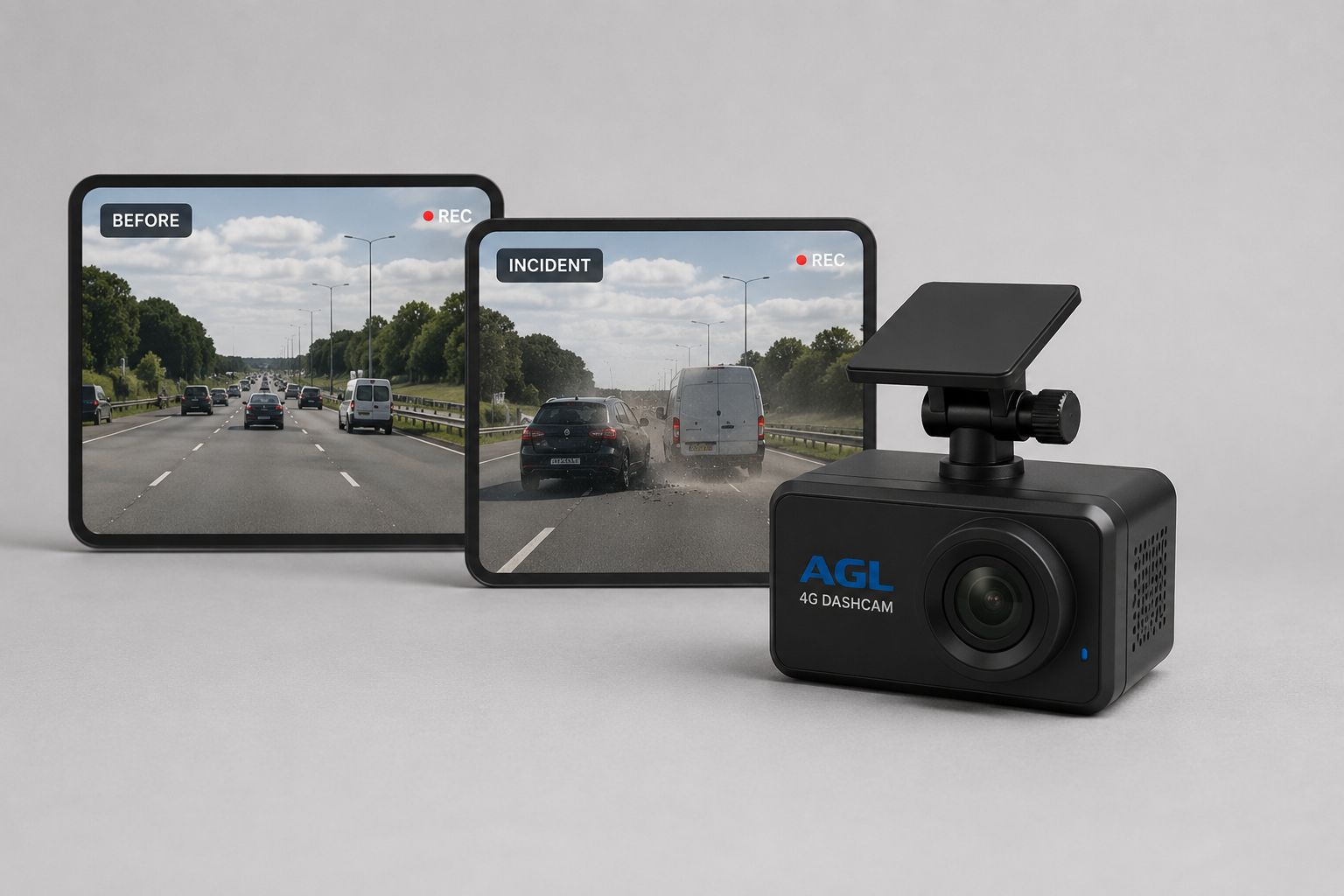
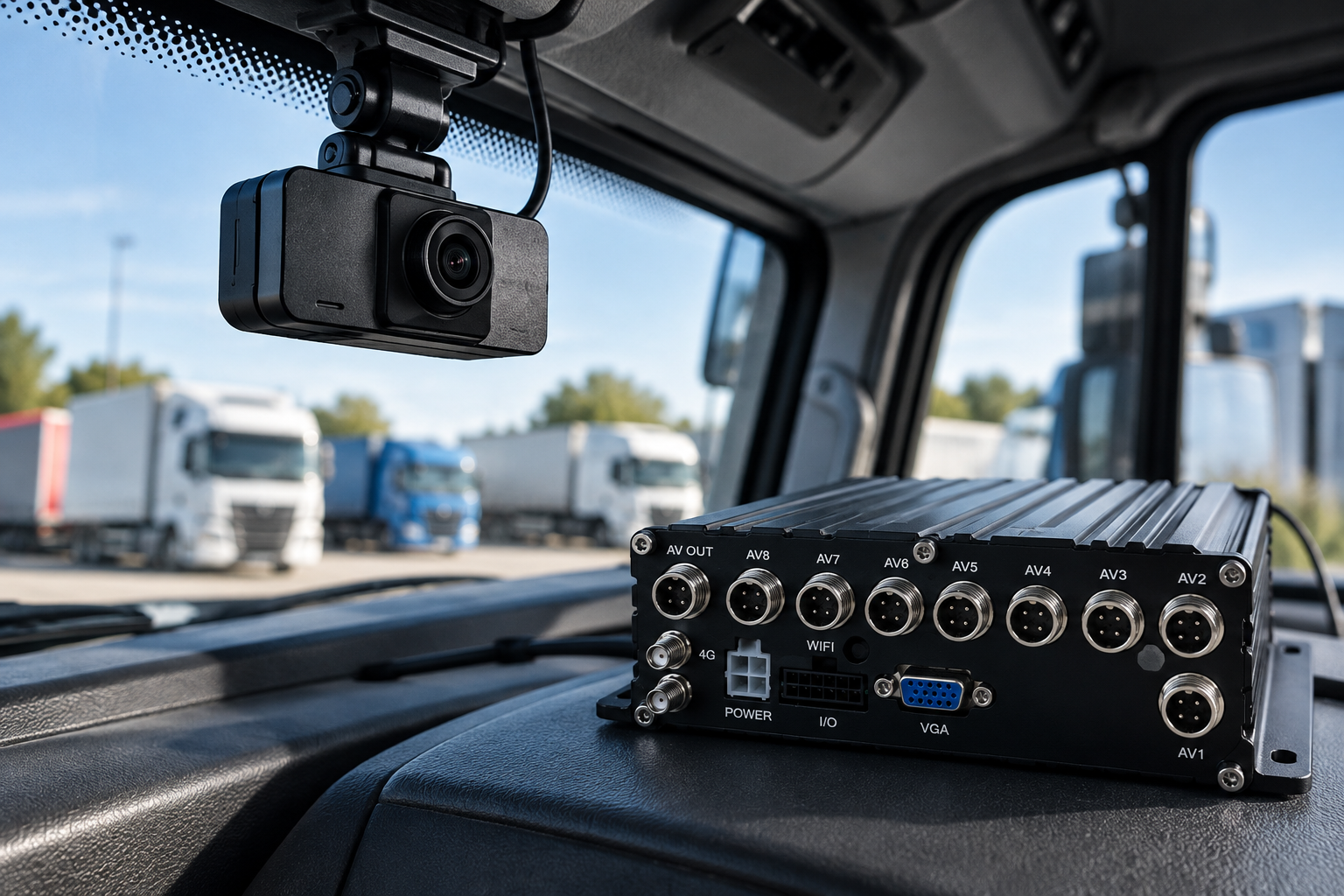
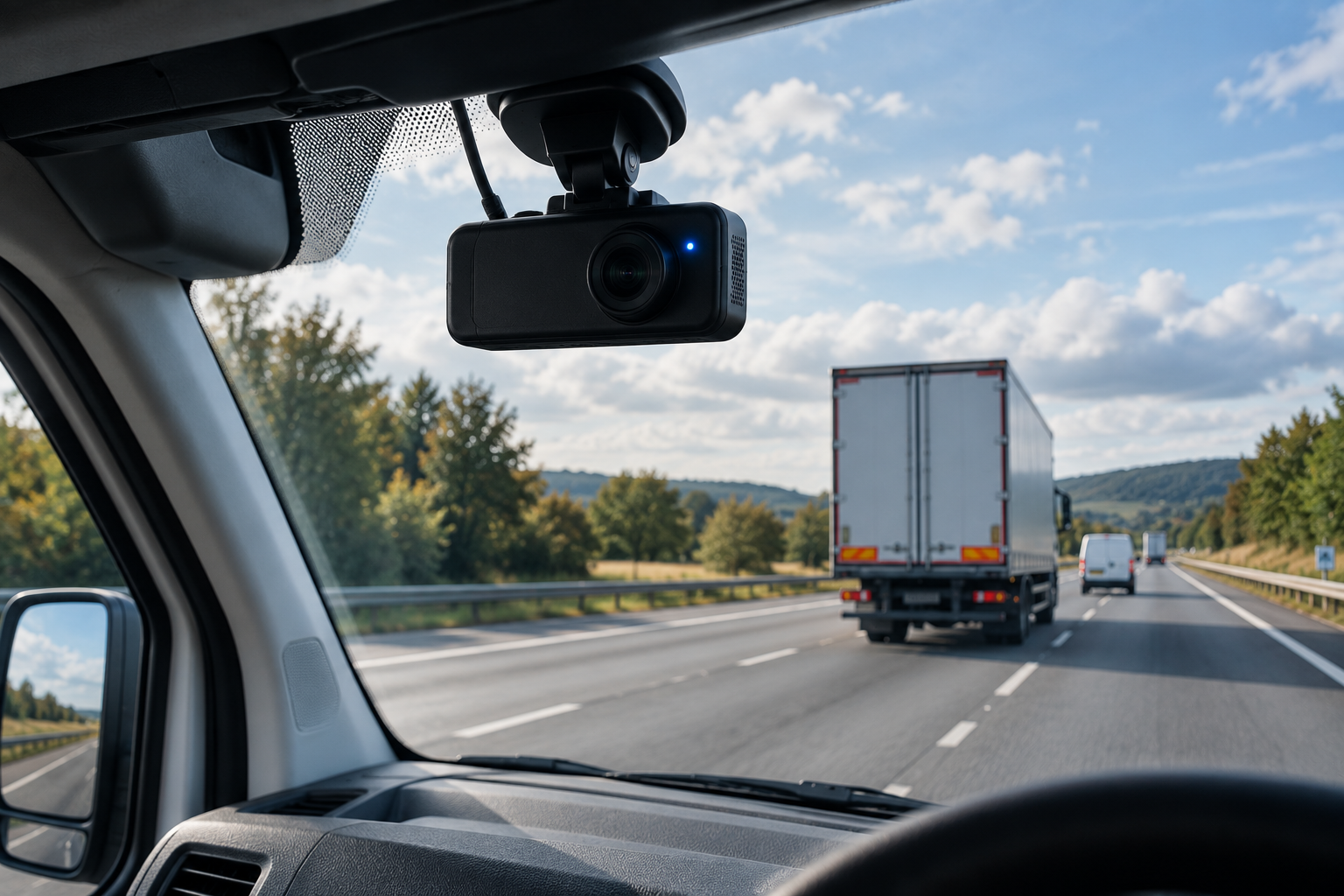
Vehicle Camera Evidence
Fleet cameras can automatically capture:
- Pre-event footage
- Incident footage
- Driver context
- Surrounding road conditions
- Vehicle behaviour before impact
Having immediate access to footage provides greater confidence during claims investigations.
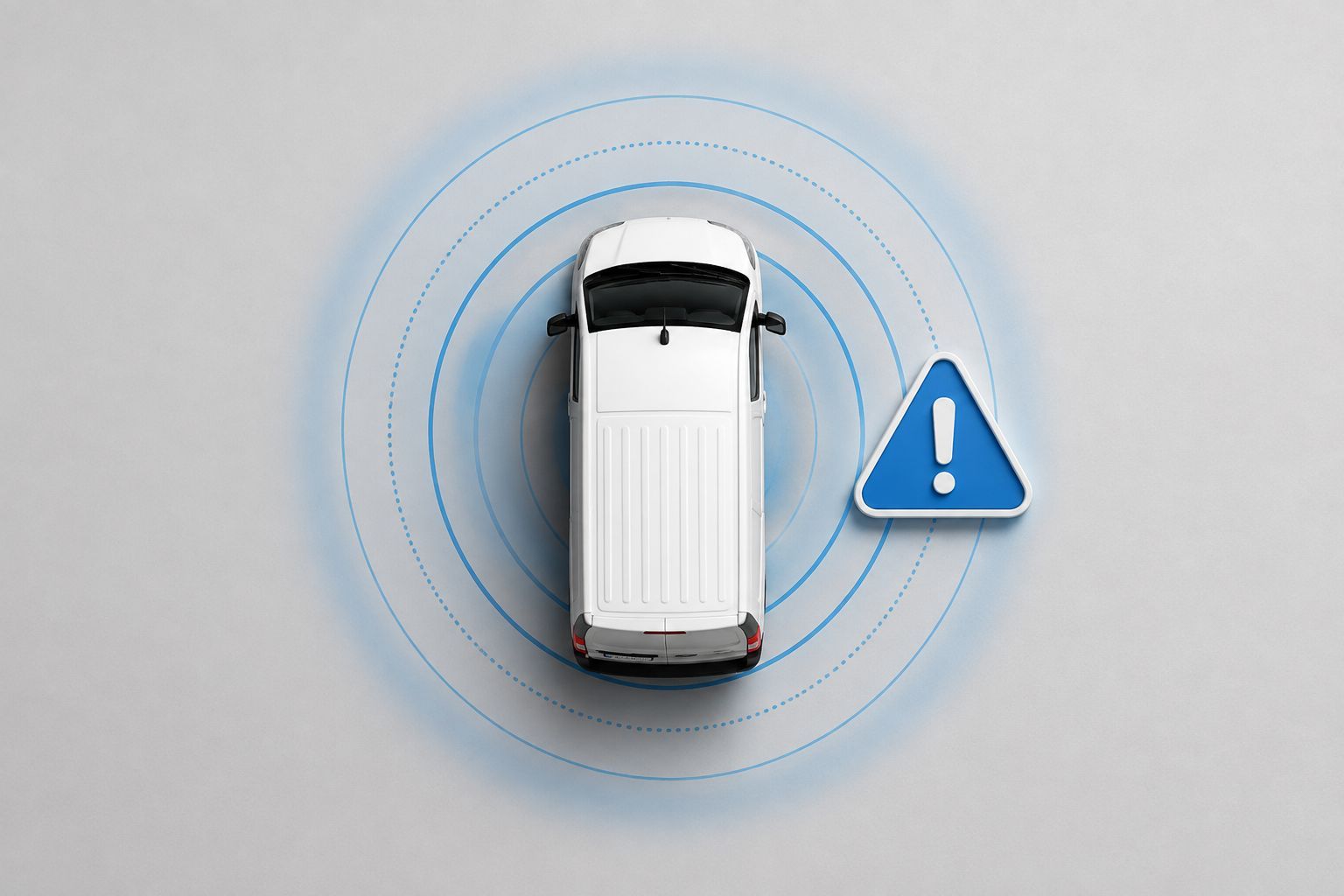
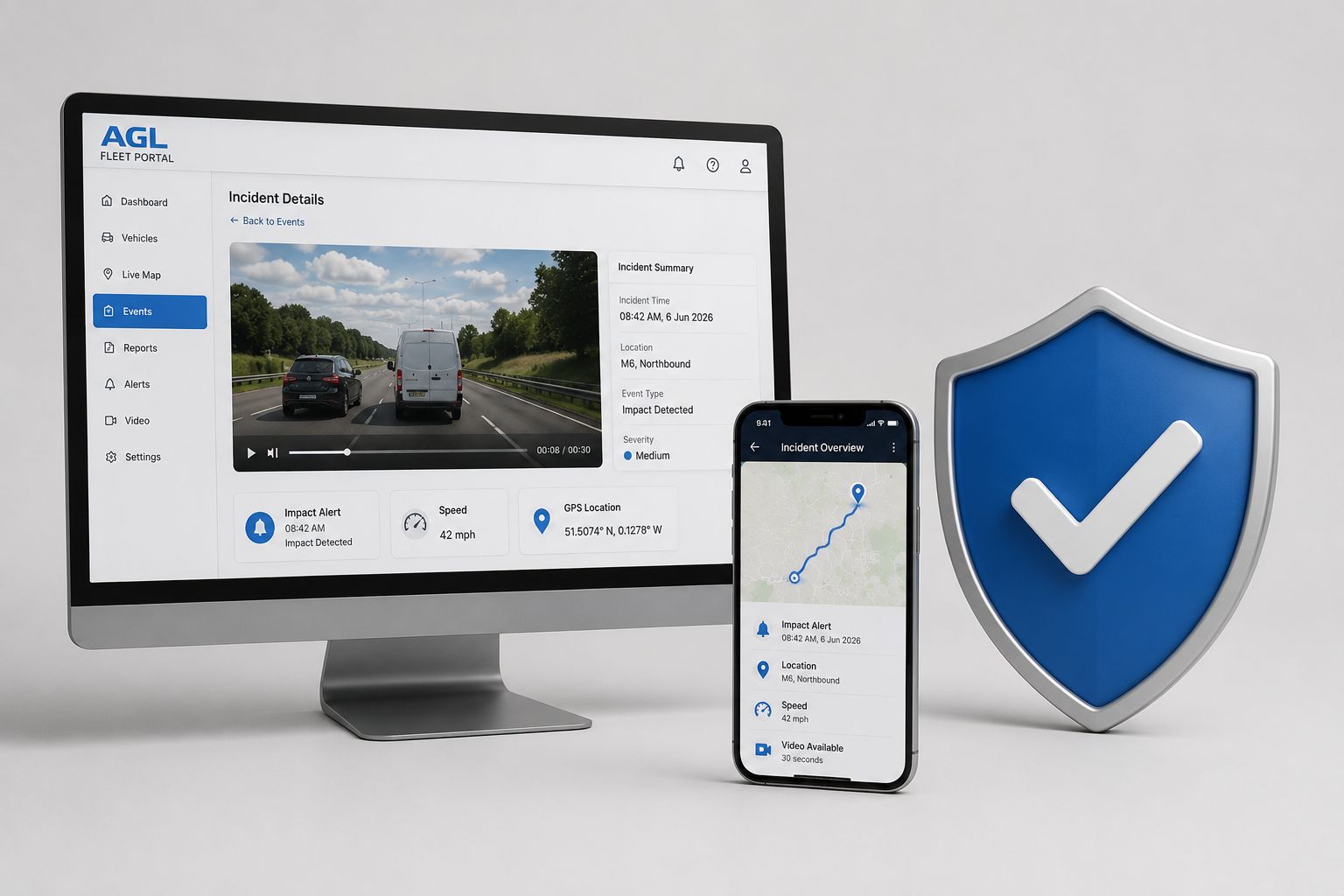
Real-Time Incident Alerts
Advanced fleet platforms can notify teams when events occur.
This allows operators to:
- Respond faster
- Contact drivers quickly
- Assess severity
- Begin internal processes immediately
Early action often reduces disruption.
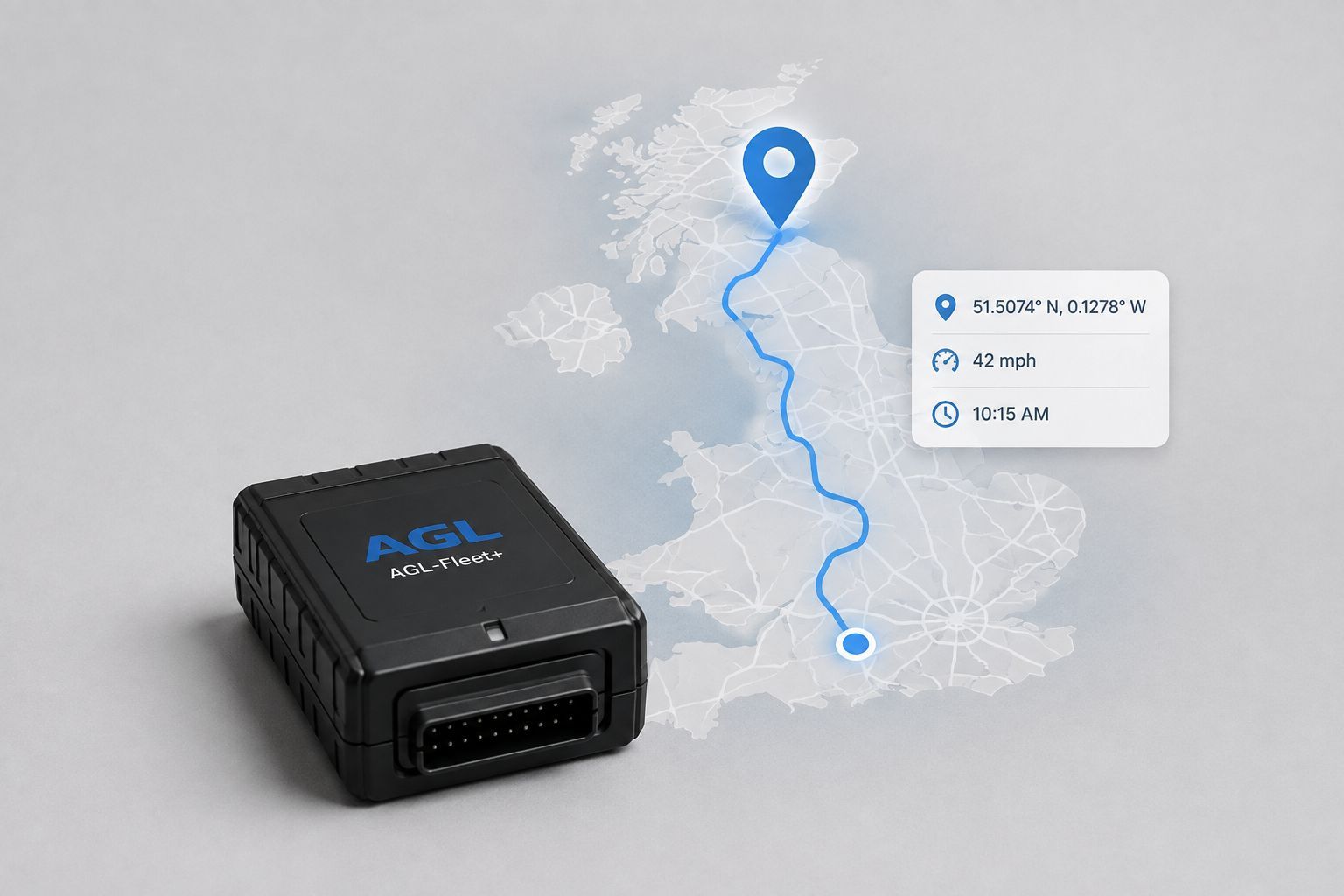
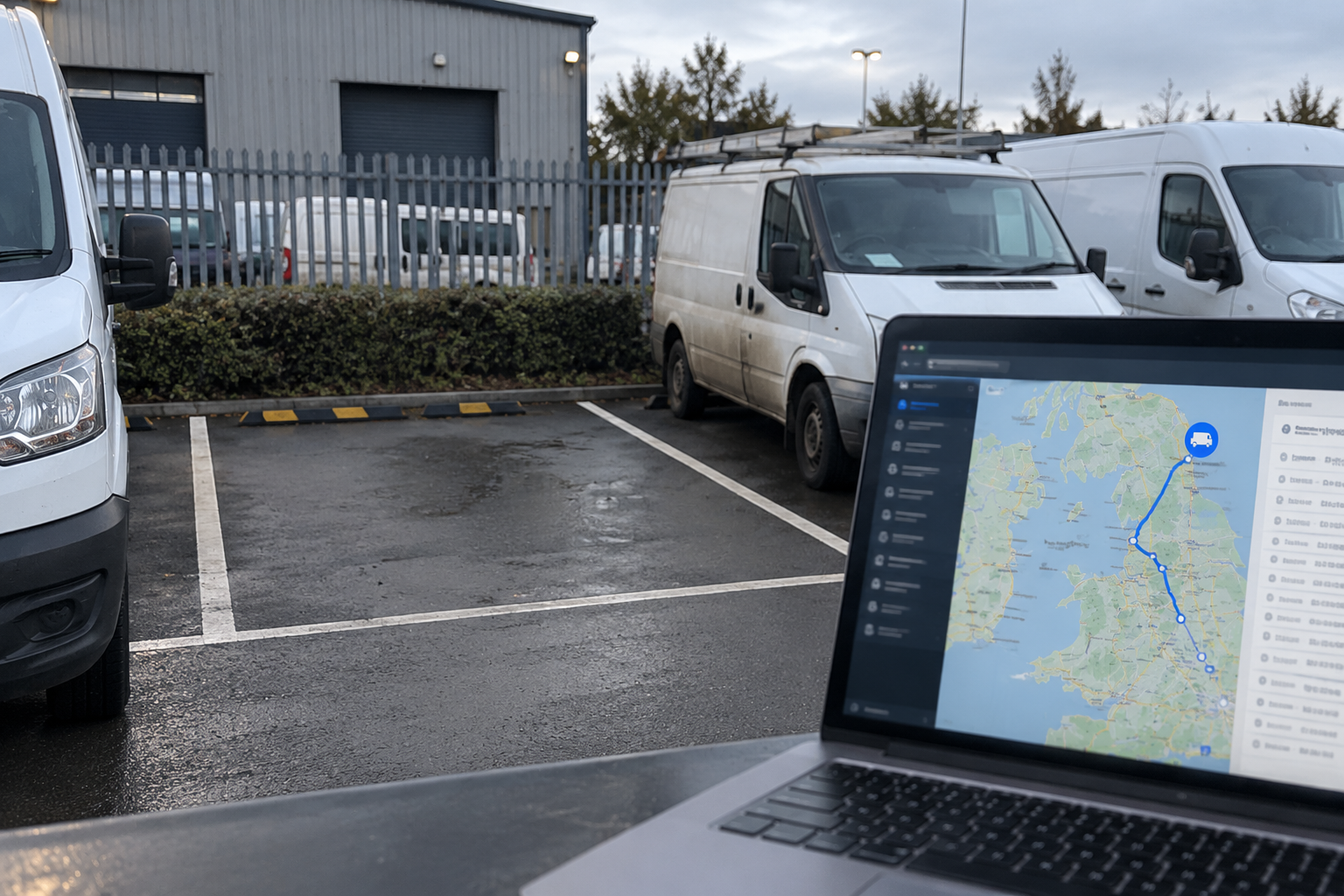
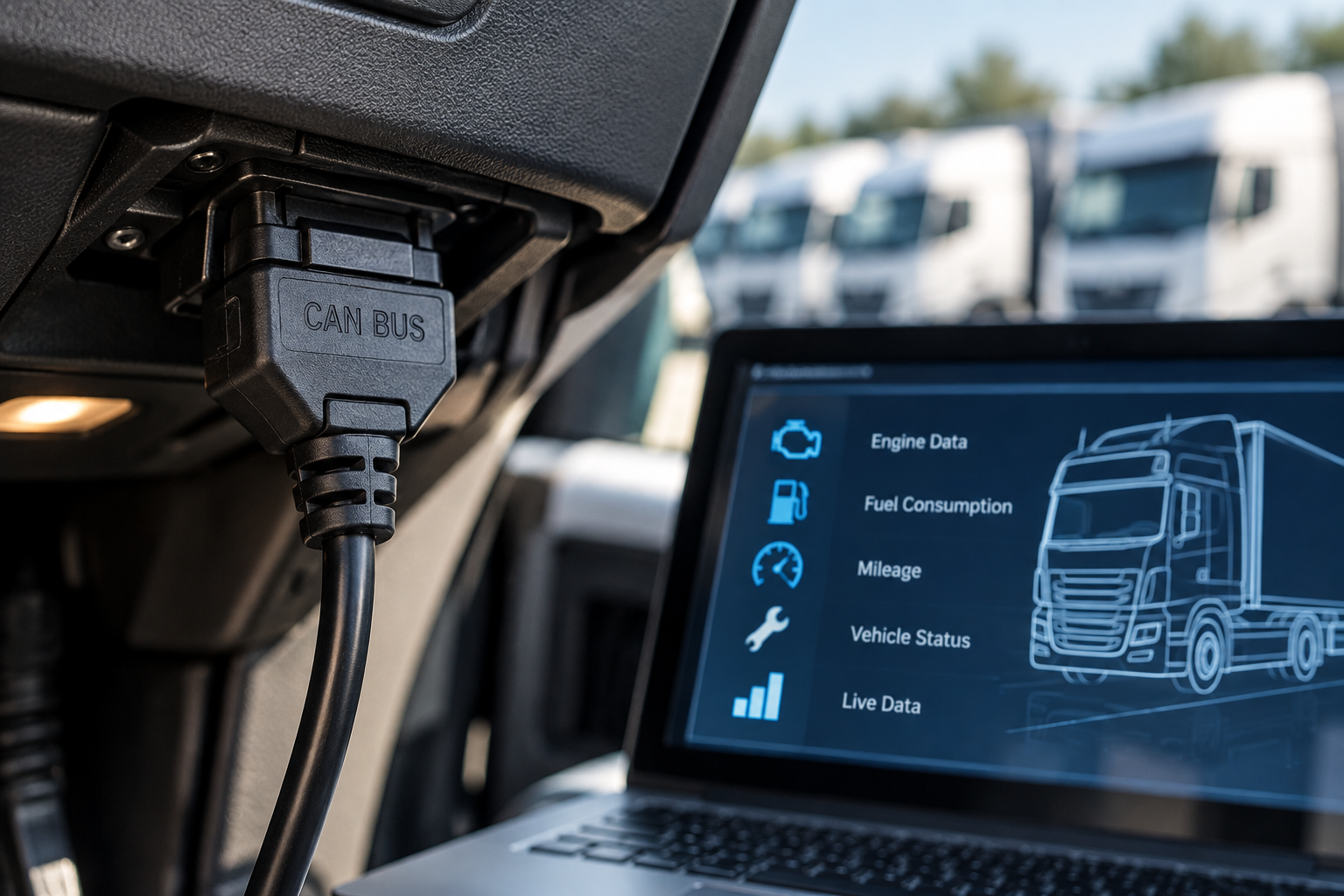
GPS and Journey Data
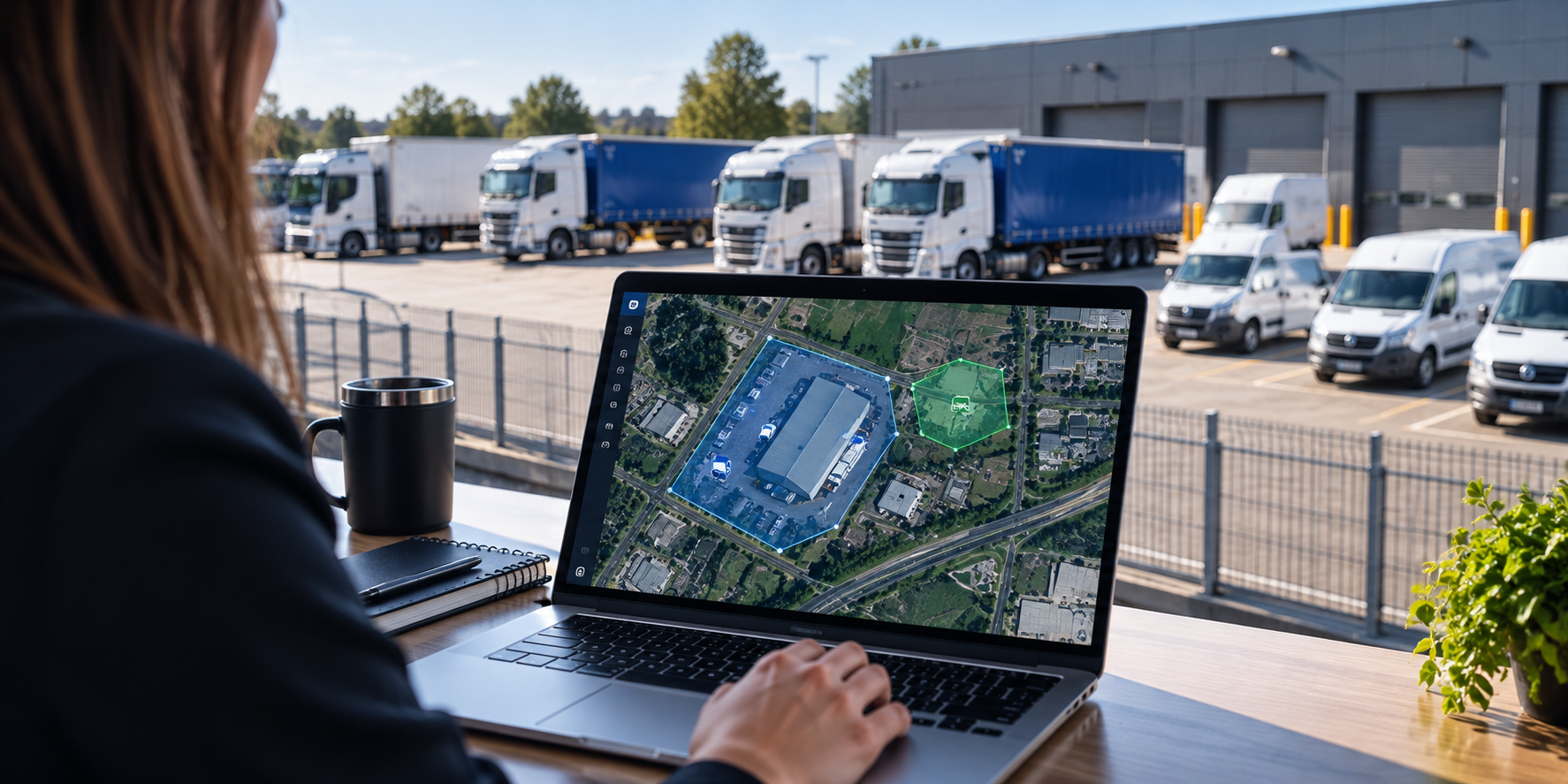
Location and vehicle movement data help provide context around incidents.
Fleet operators can review:
- Exact location
- Route history
- Vehicle speed
- Journey timelines
This creates a clearer picture of events.
How Vehicle Camera Evidence Supports Fleet Claims
Video evidence can help businesses:
✓ Reduce disputed claims
✓ Improve response times
✓ Support driver protection
✓ Improve internal investigations
✓ Reduce administration time
✓ Strengthen operational visibility
For many fleets, evidence becomes one of the most valuable operational tools available.
A Practical Example
Imagine two fleets experience the same incident.
Fleet A:
- Waits for manual reporting
- Collects photos later
- Reviews multiple accounts
Fleet B:
- Receives instant notification
- Reviews footage immediately
- Understands the sequence of events quickly
The difference is visibility.
Beyond Claims: The Wider Benefits of Fleet Technology
Businesses investing in fleet technology often see improvements in:
- Driver accountability
- Risk reduction
- Customer service
- Operational visibility
- Fleet management performance
FNOL becomes faster — and operations become smarter.
Request a Demo
Discover how vehicle cameras and connected fleet technology can support faster incident reporting and stronger claims management.
Speak to AGL Vehicle Solutions and explore solutions designed to improve visibility across your fleet.
📞 0800 009 6419
📧
aglsales@agl-ltd.co.uk