
Lone Worker Safety Technology

Lone Worker Safety Devices GPS Protection for Staff Working Alone

Protect lone and remote workers with dedicated wearable safety devices that provide location visibility, emergency alerts and automatic fall detection.

Choose the discreet LoneWorker Cube or the wearable LoneWorker ID Badge with voice functionality. Both options are designed to help businesses maintain visibility of employees working away from colleagues and respond more quickly when assistance may be required.

Real-Time GPS Position Updates Panic & Fall Alerts Two Device Options
AGL LoneWorker Cube and LoneWorker ID Badge safety devices
Protect Lone Workers

Connected safety technology for employees working away from colleagues.

GPS Position Updates

Maintain visibility of the location of workers carrying an AGL device.

!
Emergency Alerts

Panic and fall alerts help identify when a worker may require assistance.

Voice Functionality

The ID Badge provides listen-in capability following a panic alert.

Dedicated Devices

Purpose-built wearable hardware without relying solely on a worker's phone.

Two Lone Worker Device Options

Choose the Right Protection for Your Team

Different roles create different lone-working risks. AGL provides two compact GPS lone worker devices, allowing businesses to choose the format and emergency functionality that best suits their employees and working environment.

LoneWorker Cube compact waterproof GPS tracker for lone workers

LoneWorker Cube

Discreet, Robust GPS Tracker for Lone Workers

Wearable and discreet, the LoneWorker Cube provides a practical way to maintain visibility of employees who work alone. The compact carried device sends automated position updates, reducing the need to rely on repeated telephone check-ins throughout the working day.

Designed for day-to-day working environments, the Cube is waterproof, robust and built for dependable use. Fall alerts can help identify when an employee may need assistance, while reliable position information helps managers establish where the worker is located.

  • Automated GPS position updates
  • Fall alerts for faster awareness of potential incidents
  • Waterproof design for demanding working environments
  • Robust construction for everyday wear and tear
  • Compact format for discreet carrying
  • Long-lasting battery designed to reduce frequent device replacement or charging requirements
Location Visibility Automated position updates help managers know where workers are.
Fall Alerts Automatic alerts can help identify when assistance may be required.
Waterproof Designed for employees working in varied environments.
Robust & Discreet Compact hardware designed for regular working use.
LoneWorker ID Badge wearable GPS tracker with panic alert and voice functionality

LoneWorker ID Badge

Wearable GPS Tracker with Voice Functionality

The LoneWorker ID Badge combines automated GPS position updates with a wearable format designed to be worn around the neck. Its compact design helps keep the device accessible without getting in the way of normal working activity.

If a worker feels at risk or requires assistance, the panic button can trigger an alert. Once the panic alert has been received, authorised users can dial into the device and listen to the worker's surroundings, providing additional context to help assess the situation and follow the organisation's response procedure.

  • Automated GPS position updates
  • Dedicated panic button for emergency alerts
  • Fall alerts to support faster incident awareness
  • Voice listen-in functionality following a panic alert
  • Designed to be worn around the neck
  • Small, lightweight format for everyday use
!
Panic Button Allows the worker to trigger an emergency alert when needed.
Voice Listen-In Listen to surroundings after a panic alert to gain additional context.
Fall Alerts Automatic detection helps highlight a potential fall incident.
Wearable Format Designed to sit around the neck and remain readily accessible.

How Lone Worker Monitoring Works

From Position Updates to Emergency Awareness

Dedicated lone worker technology gives managers an additional layer of visibility for staff operating alone, remotely or away from their normal workplace.

1

Issue the Device

Allocate the appropriate Cube or ID Badge to the lone worker based on their role and risk profile.

2

Carry or Wear It

The compact device remains with the employee while they carry out work away from colleagues.

3

Maintain Visibility

Automated GPS position updates help the business maintain awareness of the worker's location.

4

Respond to Alerts

If a supported alert is triggered, the business can use the available information to follow its agreed response procedure.

Cube vs ID Badge

Which Lone Worker Device Is Right for You?

Both devices support GPS-based lone worker visibility and fall alerts. The main distinction is the wearable format and additional panic/voice functionality available with the ID Badge.

Capability LoneWorker Cube LoneWorker ID Badge
GPS position updates
Fall alerts
Compact personal device
Wearable around the neck Carried / discreet format
Dedicated panic button
Voice listen-in following panic alert
Waterproof Contact AGL for specification
Best suited to Teams needing discreet location and fall-alert protection Roles benefiting from a wearable panic device and voice context
AGL LoneWorker portal showing lone worker location and safety visibility

Connected Safety Visibility

Bring Lone Worker Location into Your Wider Fleet Operation

AGL's wider fleet technology helps businesses connect vehicles, drivers and operational visibility. Lone worker monitoring can form part of that broader safety approach, particularly for organisations managing mobile teams, field engineers and employees who regularly work away from a depot or office.

  • Support visibility of workers operating remotely
  • Combine people-safety processes with wider fleet management
  • Reduce reliance on repeated manual location check-in calls
  • Use location information to support incident response procedures

Who Uses Lone Worker Devices?

Designed for Mobile, Remote and Isolated Workers

Lone working occurs across many sectors. The appropriate protection should always be selected around the worker's actual tasks, environment, communication needs and the organisation's lone-working risk assessment.

Construction & Civils lone worker safety

Construction & Civils

Site staff, surveyors and employees working away from immediate colleagues.

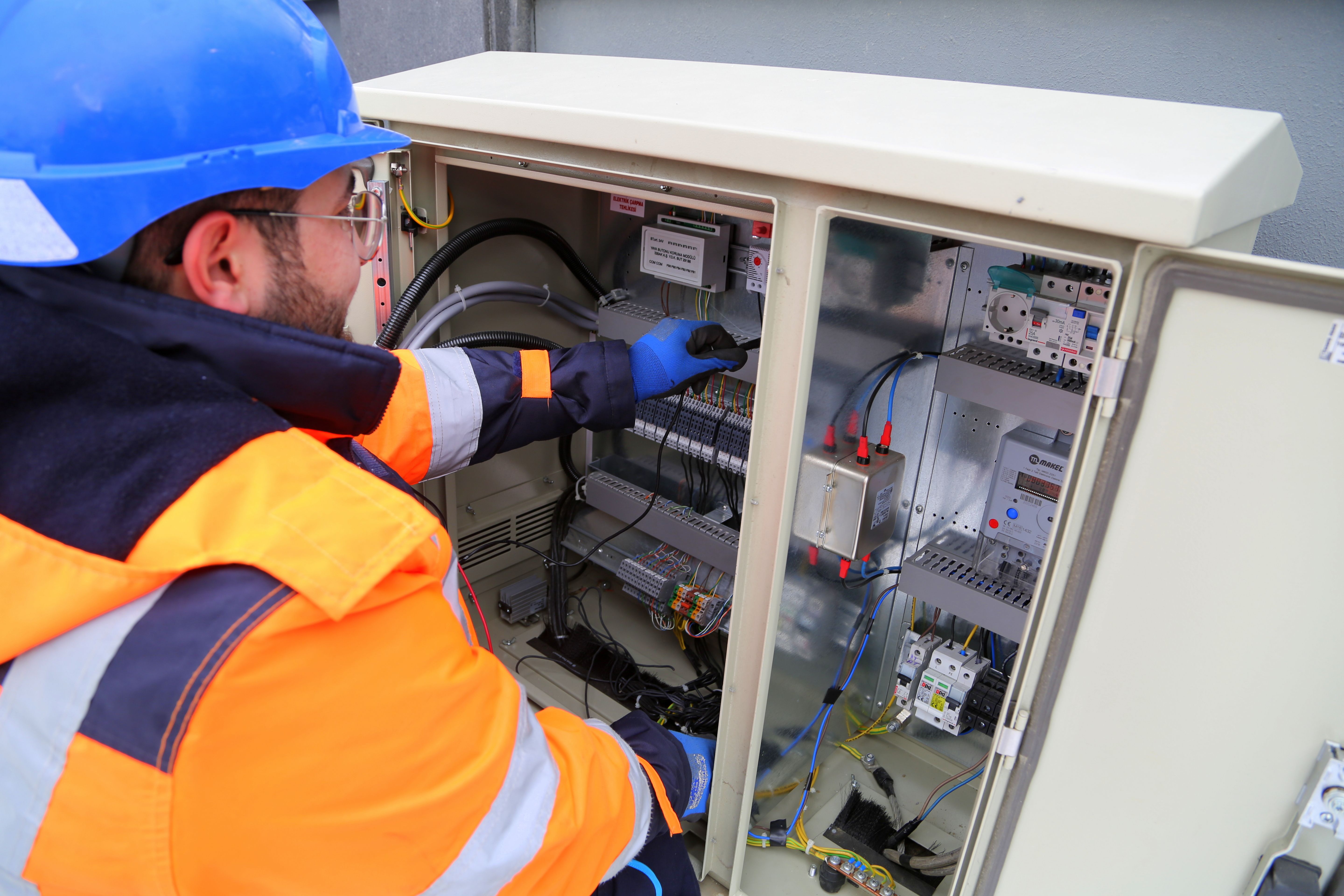
Utilities lone worker safety

Utilities

Engineers and maintenance teams working across dispersed infrastructure.

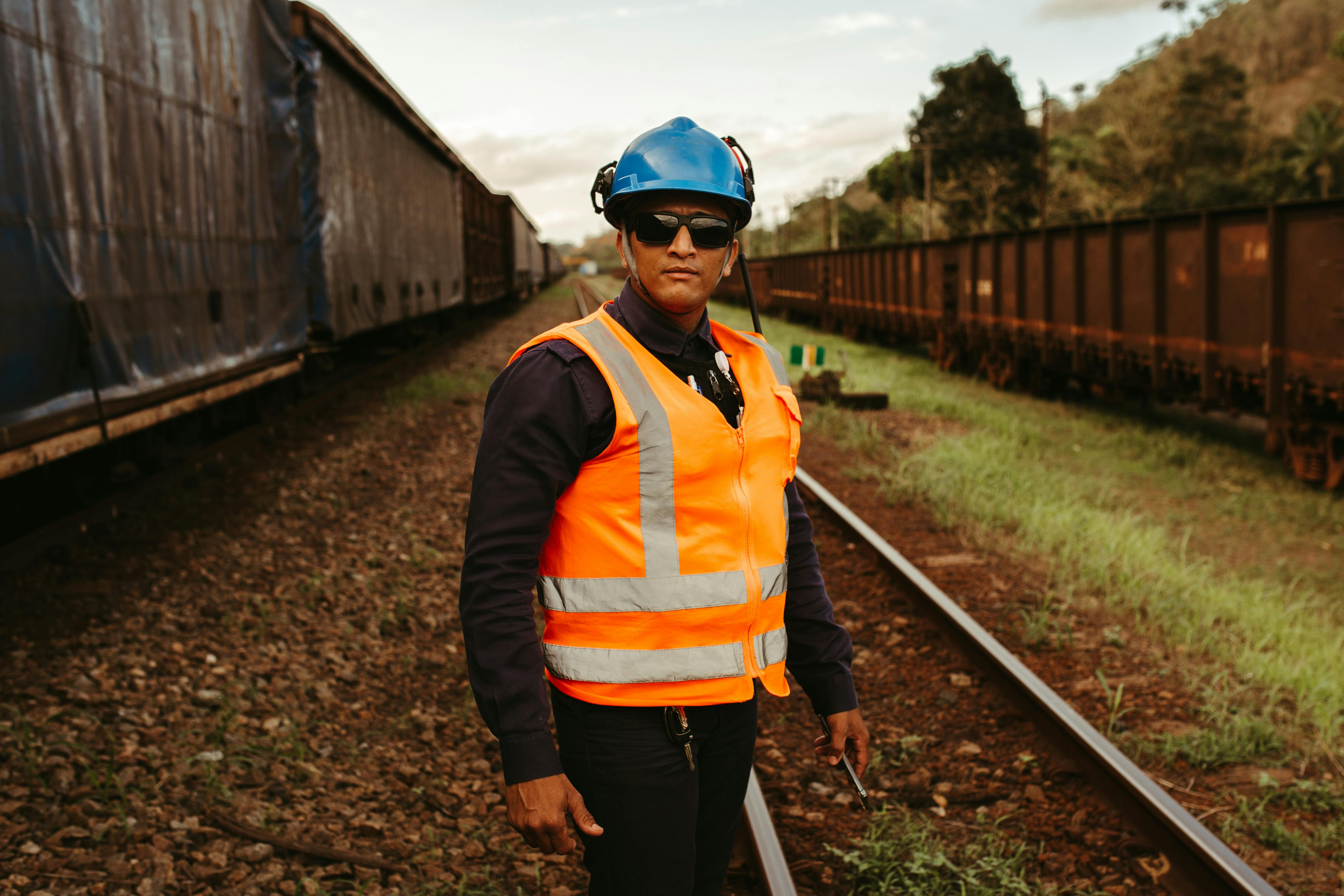
Rail & Engineering lone worker safety

Rail & Engineering

Mobile personnel operating across remote or controlled work locations.

Local Authorities lone worker safety

Local Authorities

Field-based employees, inspectors and public-service teams.

Security lone worker safety

Security

Personnel carrying out patrols or working alone at client locations.

Field Service lone worker safety

Field Service

Engineers, technicians and staff visiting customer or remote sites.

Why Dedicated Lone Worker Technology?

A Practical Layer of Protection Beyond Manual Check-Ins

Lone worker devices do not replace risk assessments, training or safe systems of work. They can, however, provide useful location and alert information when staff are working without direct supervision.

Better Location Awareness

Automated position updates can help reduce uncertainty about where mobile or remote employees are working.

!

Faster Alert Awareness

Fall and panic functionality can highlight a potential incident without waiting for the next scheduled telephone check-in.

Additional Incident Context

The ID Badge's listen-in functionality can provide additional information after a panic alert has been activated.

Supports Safety Procedures

Use the technology alongside your organisation's risk assessment, escalation process, training and emergency response plan.

Lone Worker Safety FAQs

Frequently Asked Questions

Common questions about AGL lone worker GPS devices, fall alerts, panic functionality and choosing between the Cube and ID Badge.

What is a lone worker safety device?

A lone worker safety device is dedicated personal hardware used to support employees who work alone or away from immediate colleagues. Depending on the device, functions can include GPS position updates, fall alerts, panic alerts and voice functionality.

What is the difference between the LoneWorker Cube and ID Badge?

The Cube is a discreet, robust and waterproof GPS device designed around automated position updates and fall alerts. The ID Badge is designed to be worn around the neck and adds a dedicated panic button and voice listen-in functionality following a panic alert.

Do both AGL lone worker devices provide GPS location information?

Yes. Both devices are designed to send automated position updates so businesses can maintain better visibility of staff working alone.

Do the devices provide fall alerts?

Yes. Fall alert functionality is available on both the LoneWorker Cube and LoneWorker ID Badge, helping highlight a potential incident when a worker may require assistance.

How does the ID Badge panic button work?

If the worker is in danger or requires assistance, the panic button can be used to trigger an alert. Your organisation should have an agreed response procedure defining who receives and responds to alerts.

Can we listen to the worker through the ID Badge?

The ID Badge supports listen-in functionality after a panic alert is activated. This can provide authorised responders with additional context about the situation and the worker's surroundings.

Is the LoneWorker Cube waterproof?

Yes. The Cube is described as waterproof and robust, making it suitable for day-to-day use in varied working environments.

Which industries use lone worker safety devices?

Lone worker technology can support businesses across construction, utilities, rail, engineering, local authorities, security, transport, logistics and field service where employees regularly operate away from colleagues.

Do lone worker devices replace a risk assessment?

No. Lone worker technology should support, rather than replace, appropriate risk assessments, employee training, safe systems of work and documented emergency response procedures.

How do we choose the right device?

Consider how the employee works, whether they need a discreet carried device or neck-worn badge, the risks they face and whether panic and voice functionality is required. AGL can discuss these requirements with you before deployment.

Protect Your Lone Workers

See AGL Lone Worker Safety Technology in Action

Discuss the LoneWorker Cube and LoneWorker ID Badge with AGL and find the right device for your team's working environment and safety procedures.