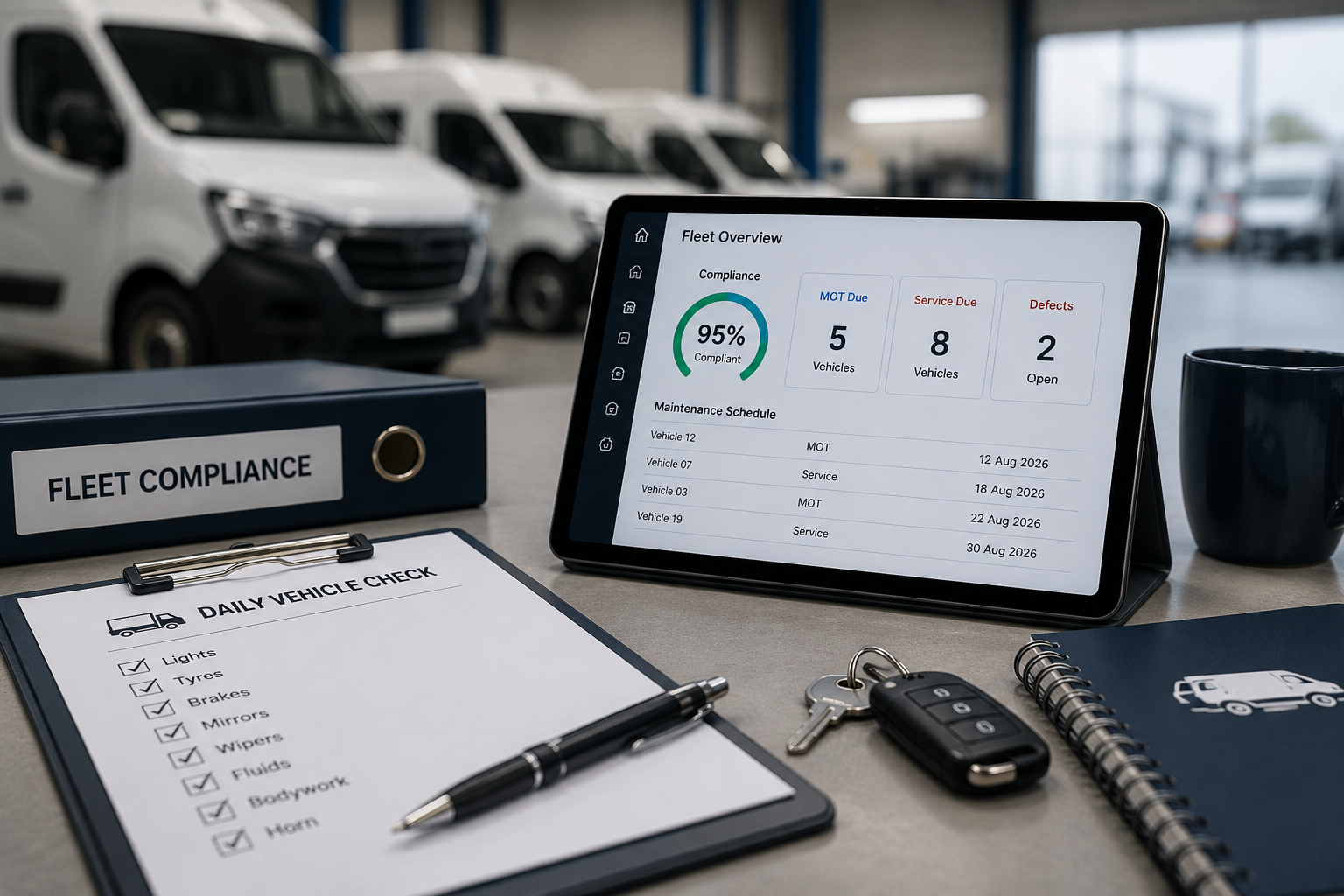
Vehicle Idling Costs UK: How to Reduce Fuel Waste in Your Fleet
20 July 2026
Idling Costs More Than Just Fuel
An engine doesn’t need to travel a mile to cost your business money. Vehicle idling burns fuel, adds unnecessary engine hours and increases wear while the vehicle is going nowhere. Understanding when and where it happens is the first step towards reducing it.
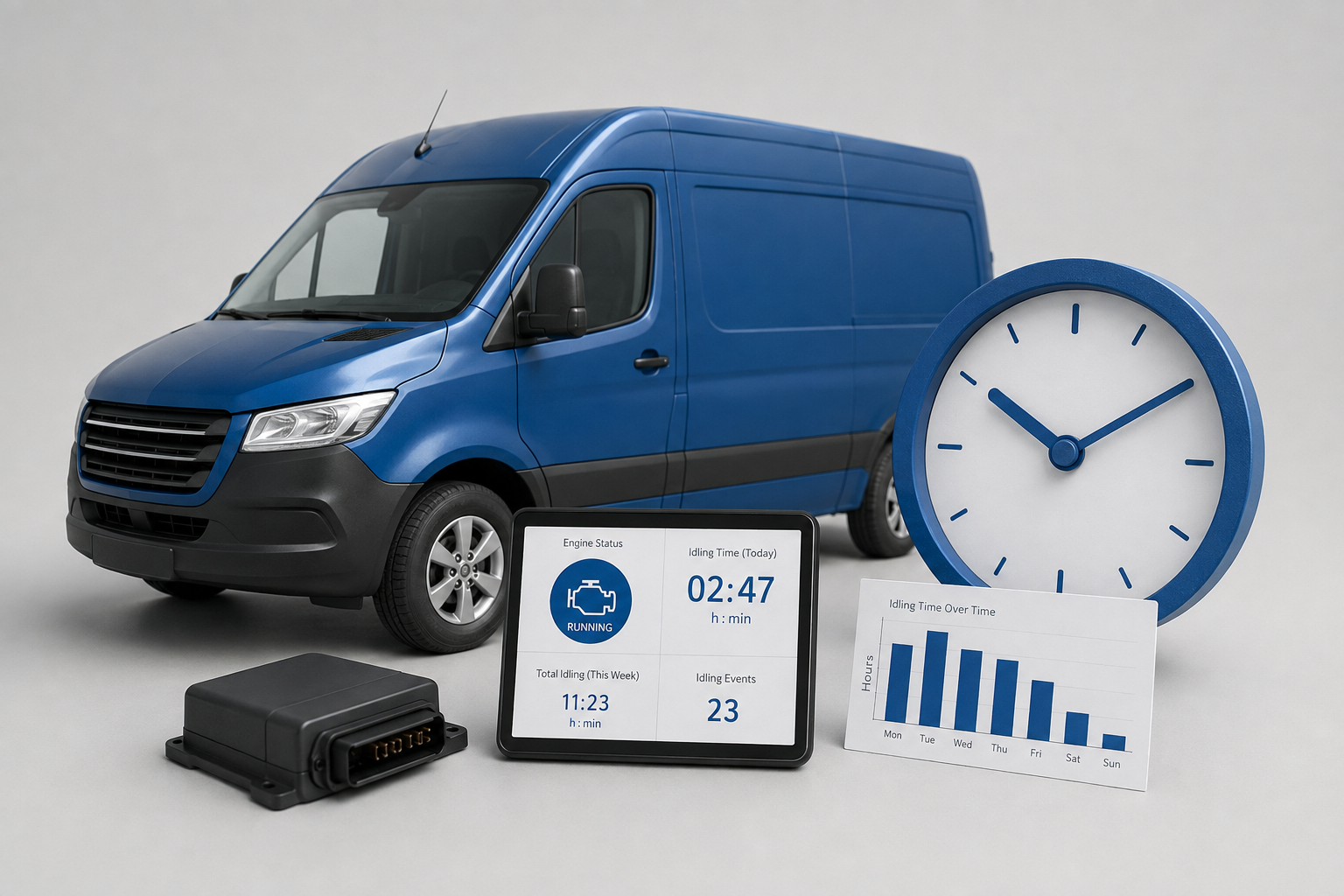
1. Measure How Long Vehicles Idle
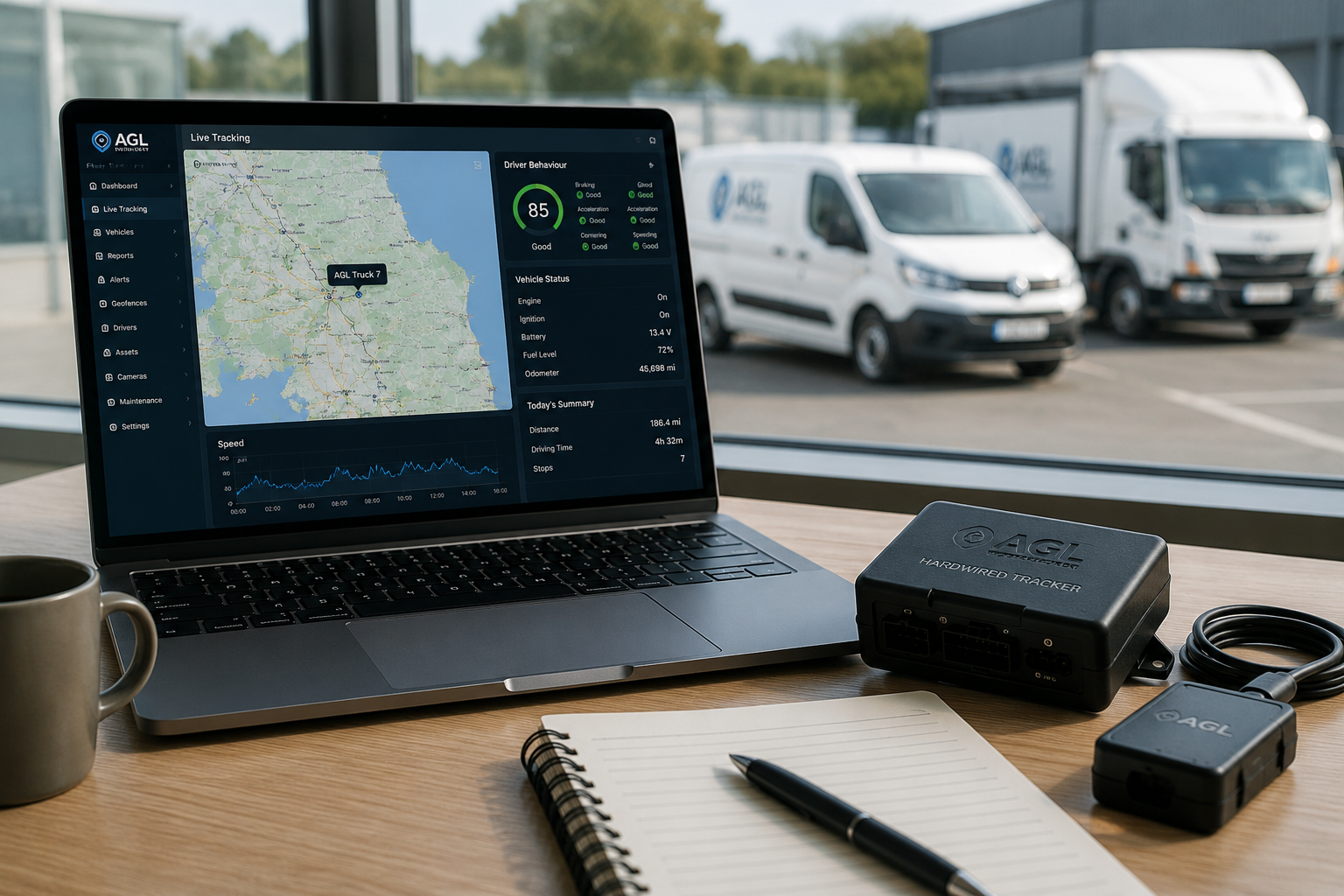
See how much time vehicles spend running while stationary. Even short periods of idling data can add up across multiple vehicles and working days.
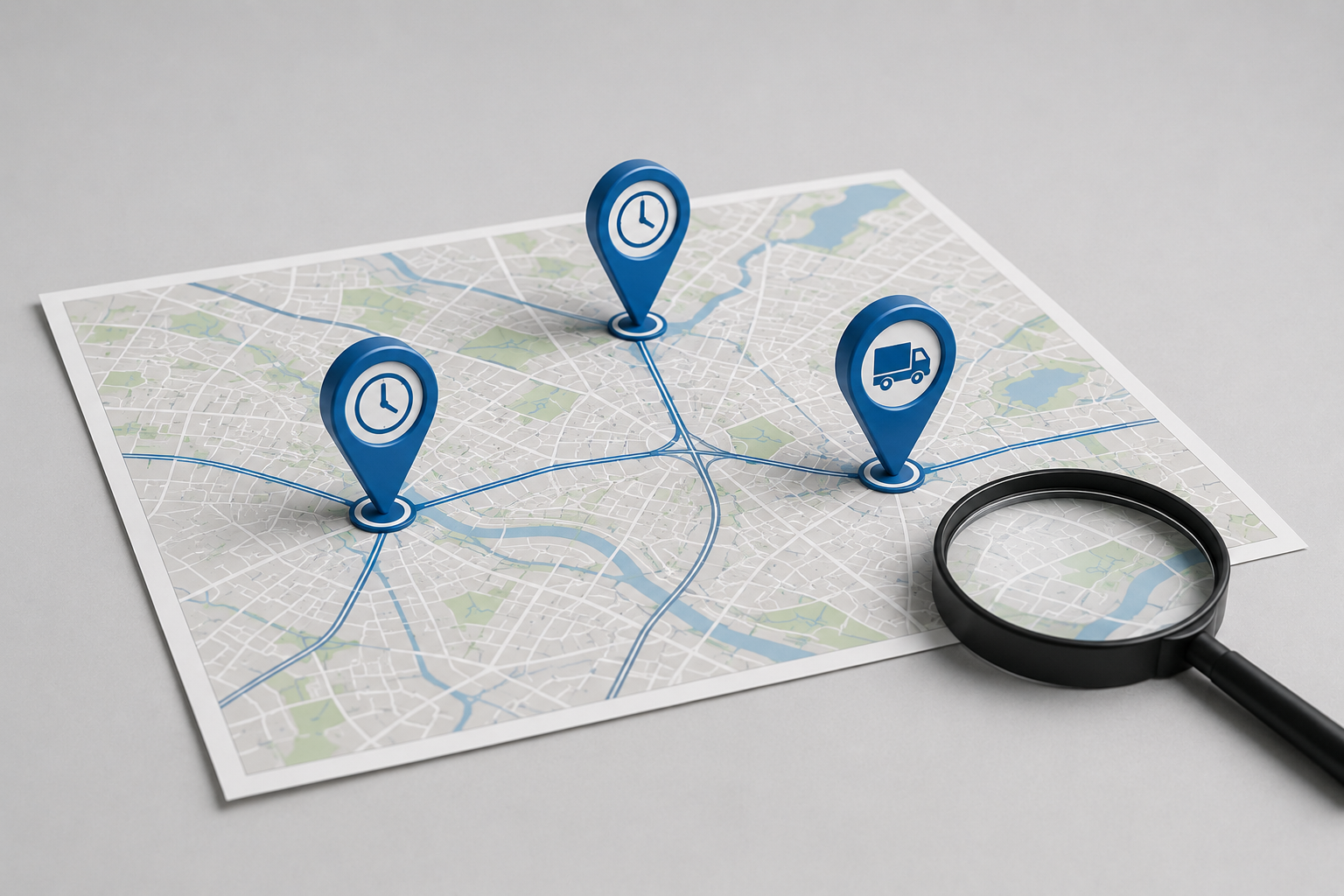
2. Find Where Idling Happens
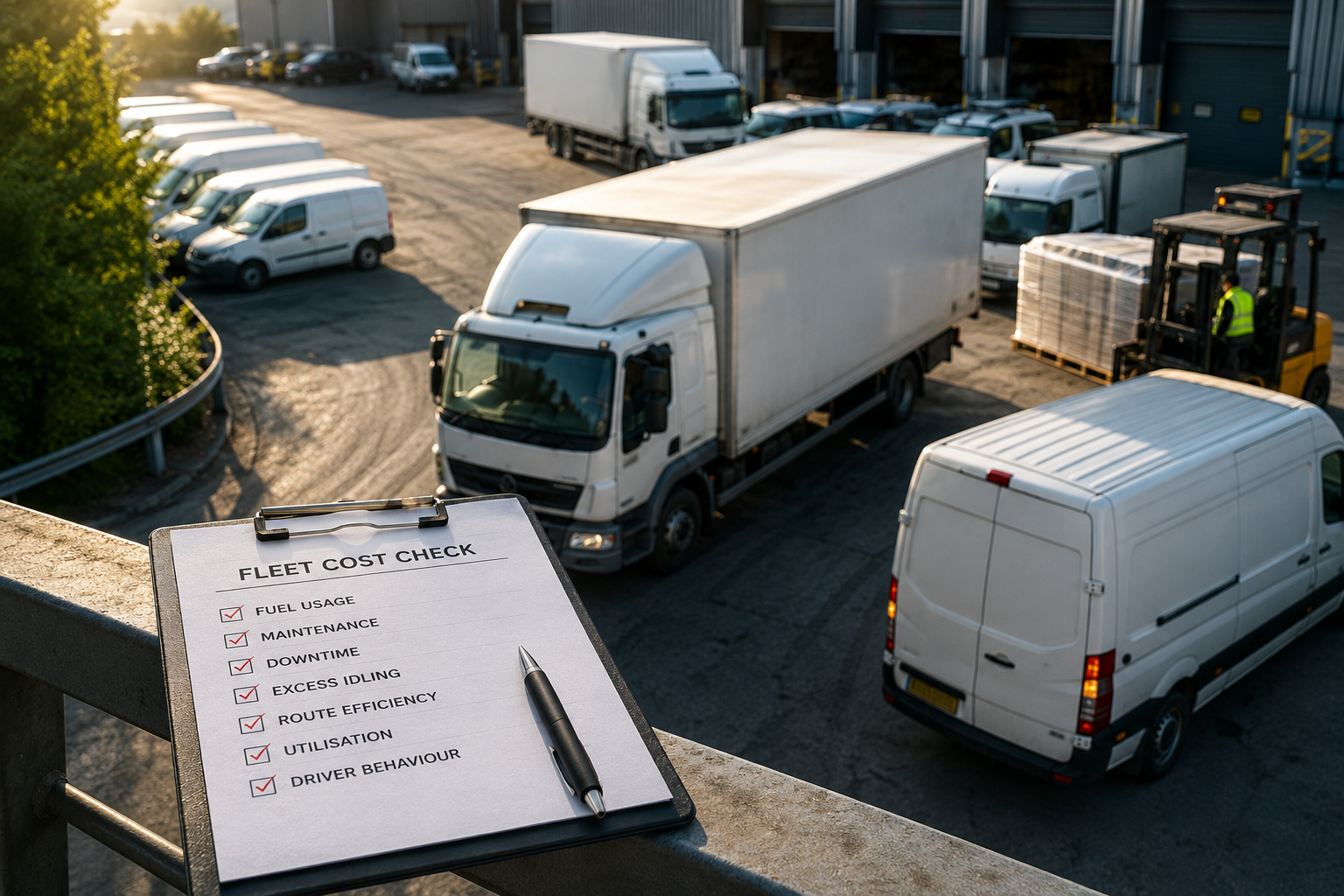
Look for patterns in where and when vehicles are left running. Depots, customer sites, loading areas and regular stops can quickly reveal where unnecessary idling occurs.
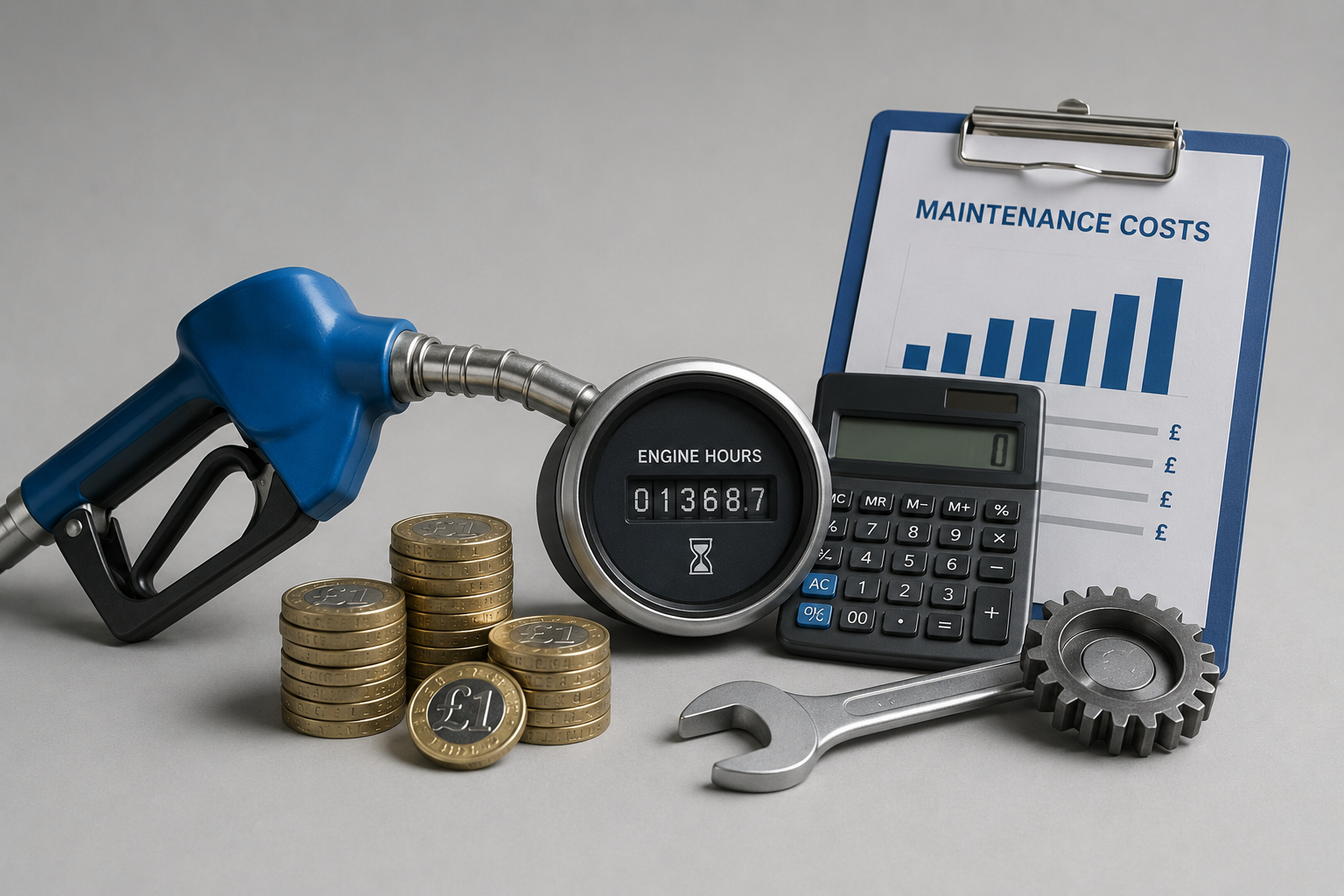
3. Understand the Real Cost
Wasted fuel is only part of the picture. Excessive idling can also increase unnecessary engine hours, accelerate wear and contribute to higher servicing and maintenance requirements.

4. Reduce Idling Across Your Fleet
Use idling data to identify recurring behaviour and make practical changes. Reducing unnecessary engine running can lower fuel use without affecting the work your vehicles need to do.
Small Reductions Can Add Up
You don’t need to eliminate every minute of idling. Some is unavoidable. The opportunity is to identify repeated, unnecessary idling and reduce it across the fleet. Small changes multiplied across vehicles, drivers and working days can make a noticeable difference.
Want to see where your fleet could be wasting fuel? Contact AGL to find out how vehicle tracking can help you monitor idling and improve fleet efficiency.
Ready to get more from your fleet?
See how AGL's vehicle tracking, camera and fleet technology can give you greater visibility, evidence and control.
More Fleet Insights