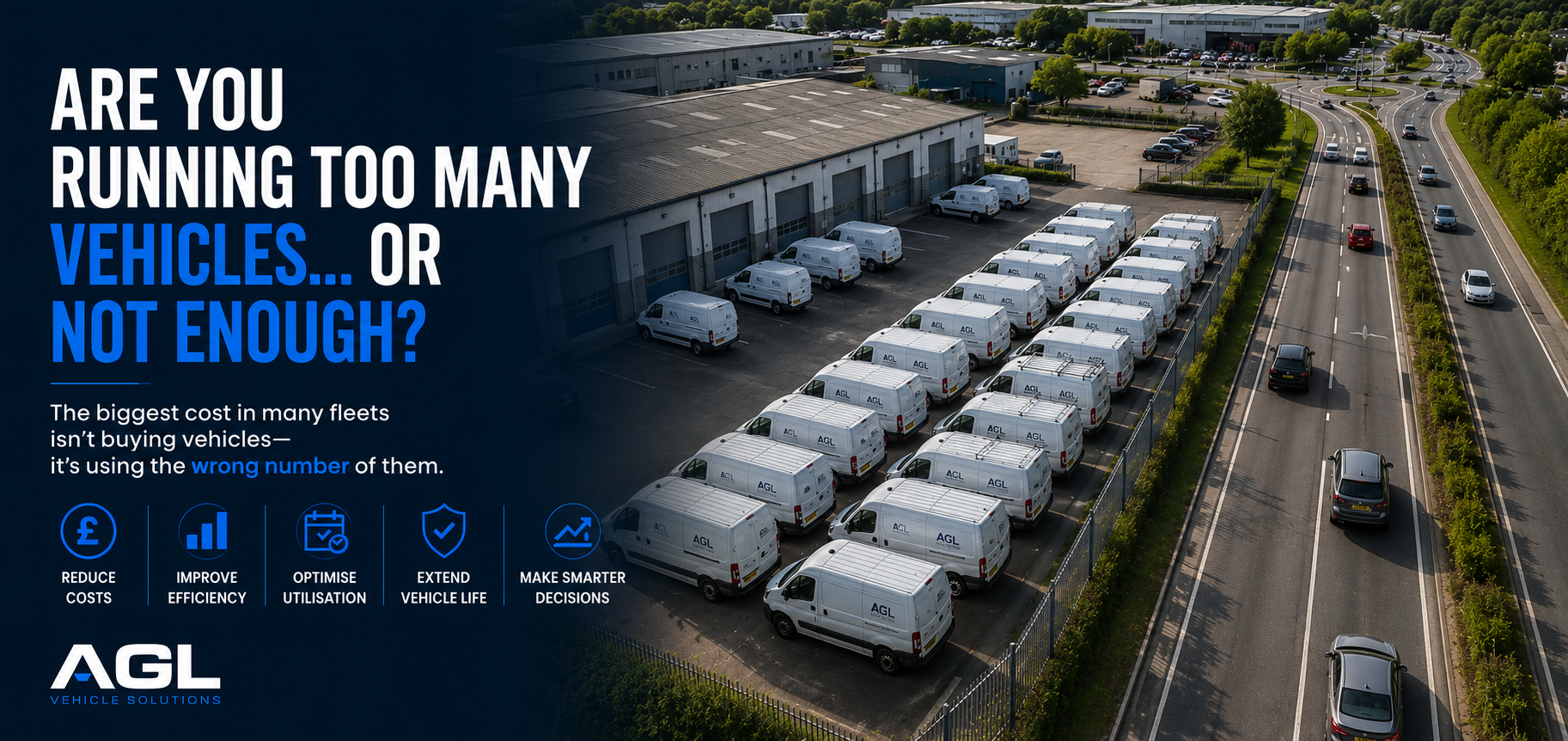
Are You Running Too Many Vehicles… Or Not Enough?
The biggest cost in many fleets isn't buying vehicles—it's using the wrong number of them.
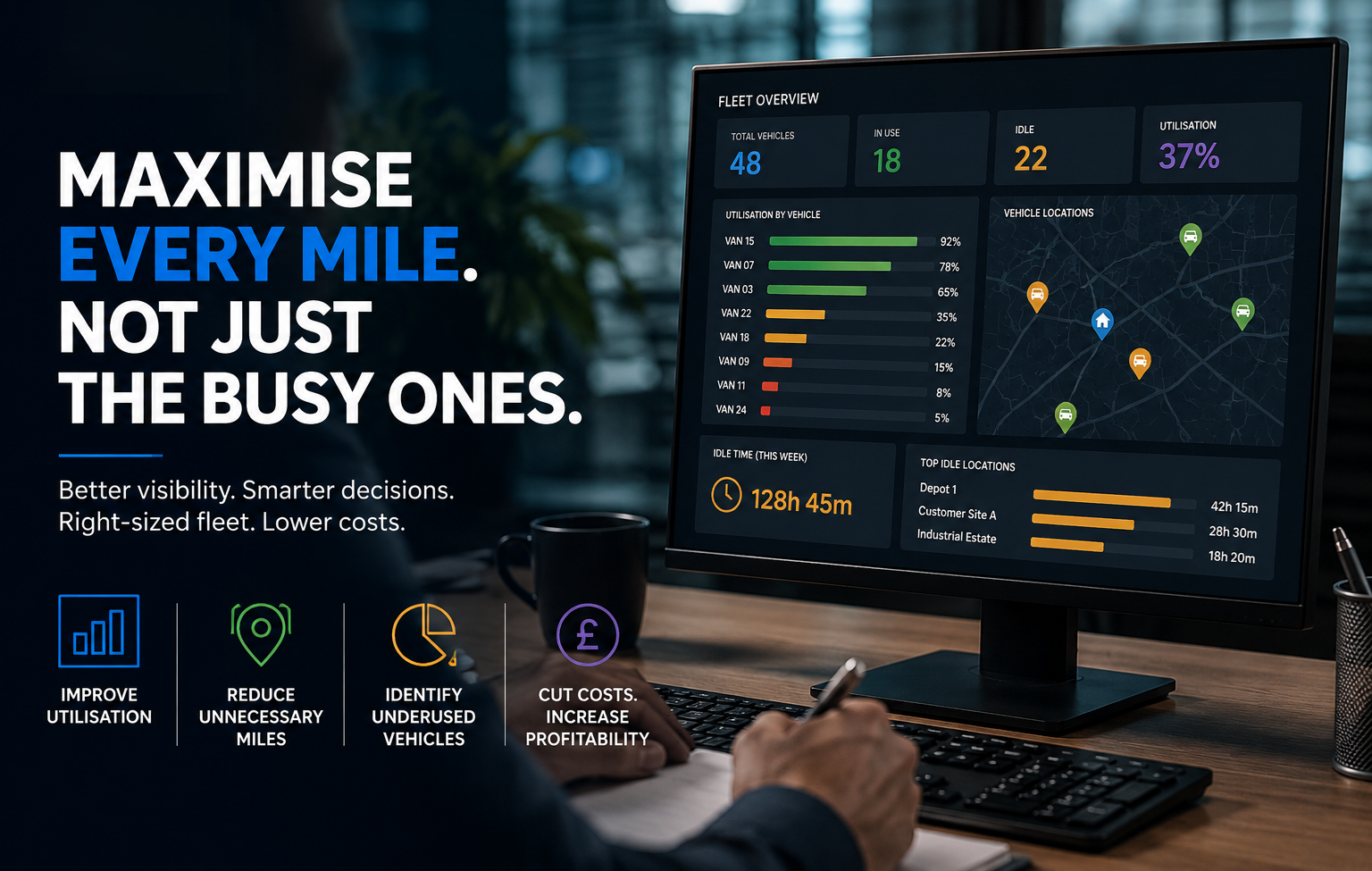
When businesses look at reducing fleet costs, they often focus on fuel prices, insurance premiums or maintenance bills.
But there's another question that can have an even bigger financial impact.
Do you actually have the right number of vehicles?
Some businesses unknowingly operate vehicles that spend most of the week parked.
Others push a small fleet beyond its limits, creating unnecessary downtime, delays and costly repairs.
Finding the right balance can significantly improve efficiency without adding a single new customer.
Every Vehicle Should Earn Its Place
Every vehicle on your fleet has costs attached to it.
Whether it's moving or sitting still, you're paying for:
- Insurance
- Road tax
- Finance or leasing
- Servicing
- Depreciation
- Administration
If a vehicle spends most of its time parked, it's still costing money.
Underused Vehicles Are Easy to Miss
Without accurate fleet data, it's surprisingly difficult to know how often each vehicle is actually being used.
Questions worth asking include:
- Which vehicles leave the depot every day?
- Which are only used once or twice a week?
- Which spend hours parked with the engine off?
- Which cover very low annual mileage?
Many fleet managers are surprised by the answers.
Overworked Vehicles Create Different Problems
The opposite problem is just as expensive.
Vehicles with excessive utilisation often experience:
- Increased maintenance
- Higher fuel costs
- More breakdowns
- Reduced lifespan
- Driver frustration
- Greater downtime
Balancing workloads across the fleet helps maximise the life of every vehicle.
Fleet Tracking Makes It Easy to See
Modern fleet tracking systems provide a clear picture of vehicle utilisation.
You can quickly identify:
- Daily vehicle activity
- Journey frequency
- Mileage trends
- Idle time
- Depot time
- Peak usage periods
Instead of relying on assumptions, managers have real operational data.
Better Data Leads to Better Decisions
Understanding utilisation helps businesses decide whether they should:
- Reassign vehicles
- Reduce fleet size
- Delay purchasing additional vehicles
- Improve scheduling
- Balance workloads more effectively
Sometimes the best investment isn't buying another vehicle.
It's making better use of the ones you already have.
Small Improvements Deliver Long-Term Savings
Improving utilisation can reduce:
- Fleet operating costs
- Vehicle downtime
- Fuel consumption
- Maintenance expenditure
- Capital investment
At the same time, it helps improve customer service by ensuring the right vehicles are available when they're needed most.
Final Thoughts
A successful fleet isn't necessarily the biggest fleet.
It's the fleet that's being used efficiently.
Knowing how every vehicle is performing allows businesses to reduce waste, improve productivity and make smarter investment decisions.
Fleet tracking doesn't just tell you where your vehicles are.
It helps you understand whether your fleet is the right size for your business.
Call to Action
Want to know if your fleet is working as hard as it should?
AGL Vehicle Solutions provides real-time fleet tracking and utilisation insights that help businesses reduce costs, improve efficiency and make better fleet decisions.
Book a demonstration today to see how your fleet could perform smarter.
📞
0800 009 6419
📧
aglsales@agl-ltd.co.uk