Is Your Fleet Bigger Than It Needs To Be?
More vehicles don't always mean more capacity.
When businesses become busier, the first instinct is often simple:
"We need more vehicles."
Sometimes that's true.
But in many cases, the issue isn't fleet size.
It's fleet visibility.
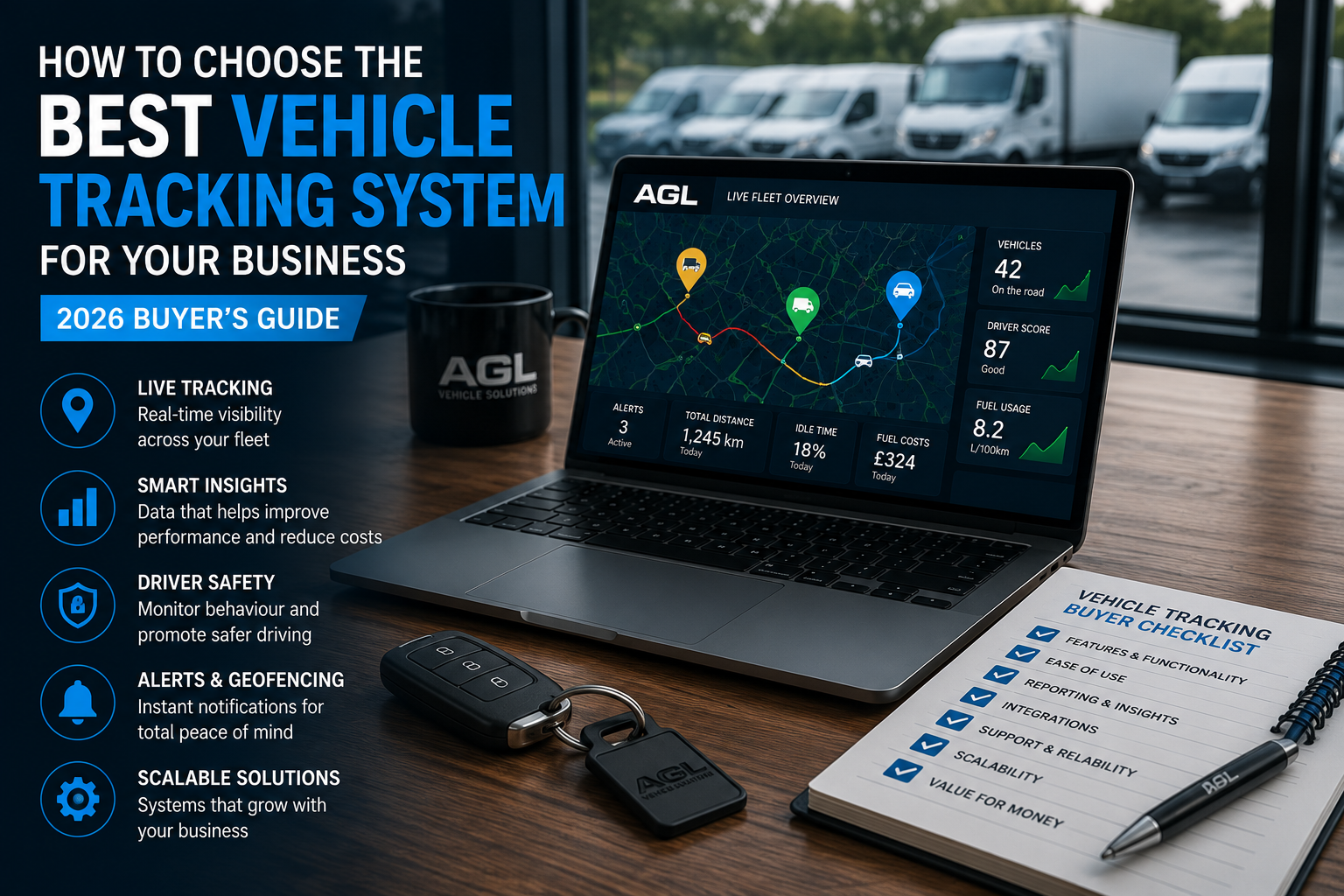
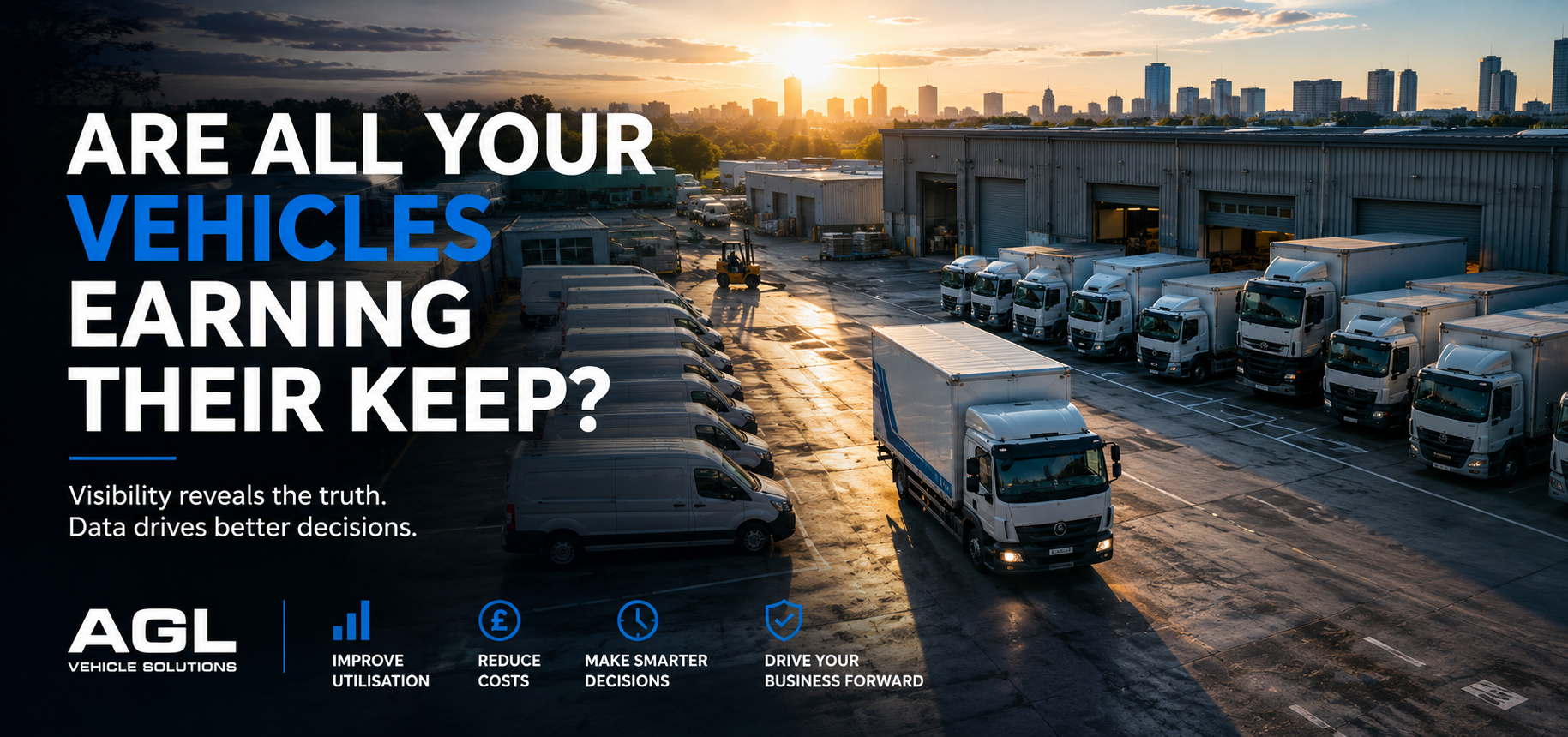
Many operators are surprised to discover that vehicles they believed were fully utilised are actually spending significant time parked, waiting or travelling inefficiently.
Before investing in additional vehicles, it's worth asking a different question:
Is your existing fleet working as hard as it could be?
The Hidden Cost of Underutilised Vehicles
Every vehicle in your fleet comes with costs whether it moves or not.
Those costs include:
- Finance or lease payments
- Insurance
- Servicing and maintenance
- Road tax
- Compliance costs
- Depreciation
A vehicle that spends large parts of its week underutilised can quietly become one of the most expensive assets in the business.
Busy Doesn't Always Mean Fully Utilised
A common misconception in fleet operations is that busy drivers automatically mean busy vehicles.
In reality, businesses often discover:
- Certain vehicles carry significantly higher workloads.
- Others spend long periods idle.
- Some vehicles complete only a small number of journeys.
- Peak demand occurs for short periods rather than continuously.
Without visibility, these patterns are difficult to spot.
Are You Solving a Capacity Problem or a Visibility Problem?
When demand increases, businesses often respond by adding vehicles.
But sometimes the real issue is:
- Poor job allocation
- Inefficient routing
- Uneven utilisation
- Limited operational visibility
Adding more vehicles can sometimes hide inefficiencies rather than solve them.
Peak Demand Isn't the Same as Daily Demand
Many fleets experience short periods of intense activity.
This might be:
- Seasonal demand
- Specific contracts
- Certain days of the week
- Particular times of day
Buying additional vehicles to solve a problem that only exists occasionally can create unnecessary costs for the rest of the year.
Understanding utilisation trends helps businesses make more informed decisions.
What Fleet Utilisation Data Can Reveal
Modern fleet technology can help operators understand:
- Vehicle usage patterns
- Idle time
- Journey frequency
- Depot dwell times
- Vehicle availability
- Utilisation rates
The data often reveals opportunities that were previously invisible.
The Most Expensive Vehicle May Be the One That Moves the Least
Businesses naturally focus on their busiest vehicles.
The bigger opportunity may lie elsewhere.
A vehicle that rarely leaves the depot but still incurs monthly costs can quietly reduce profitability year after year.
Visibility helps businesses identify those assets earlier.
Better Decisions Start With Better Information
The goal isn't to run the smallest fleet possible.
It's to run the right fleet for your operation.
Sometimes that means adding vehicles.
Sometimes it means using the existing fleet more effectively.
The difference comes down to visibility.
Book a Fleet Utilisation Review
AGL Vehicle Solutions helps businesses understand how vehicles are being used through tracking, telematics and operational reporting.
Discover whether your fleet has hidden capacity before making your next investment decision.
📞 0800 009 6419
📧
aglsales@agl-ltd.co.uk