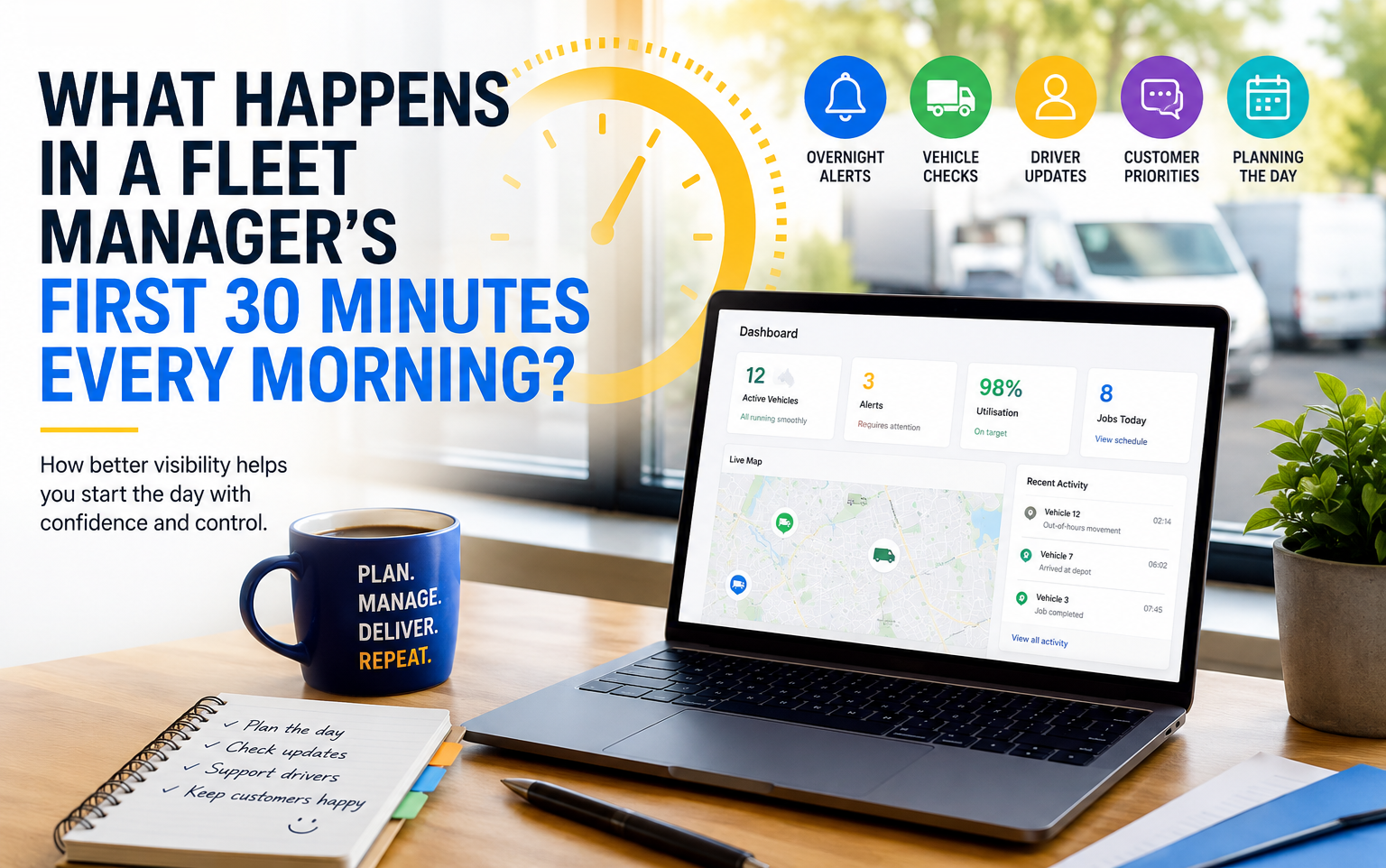
What Happens in a Fleet Manager’s First 30 Minutes Every Morning?
Before most people have finished their first coffee, fleet managers have already made dozens of decisions.
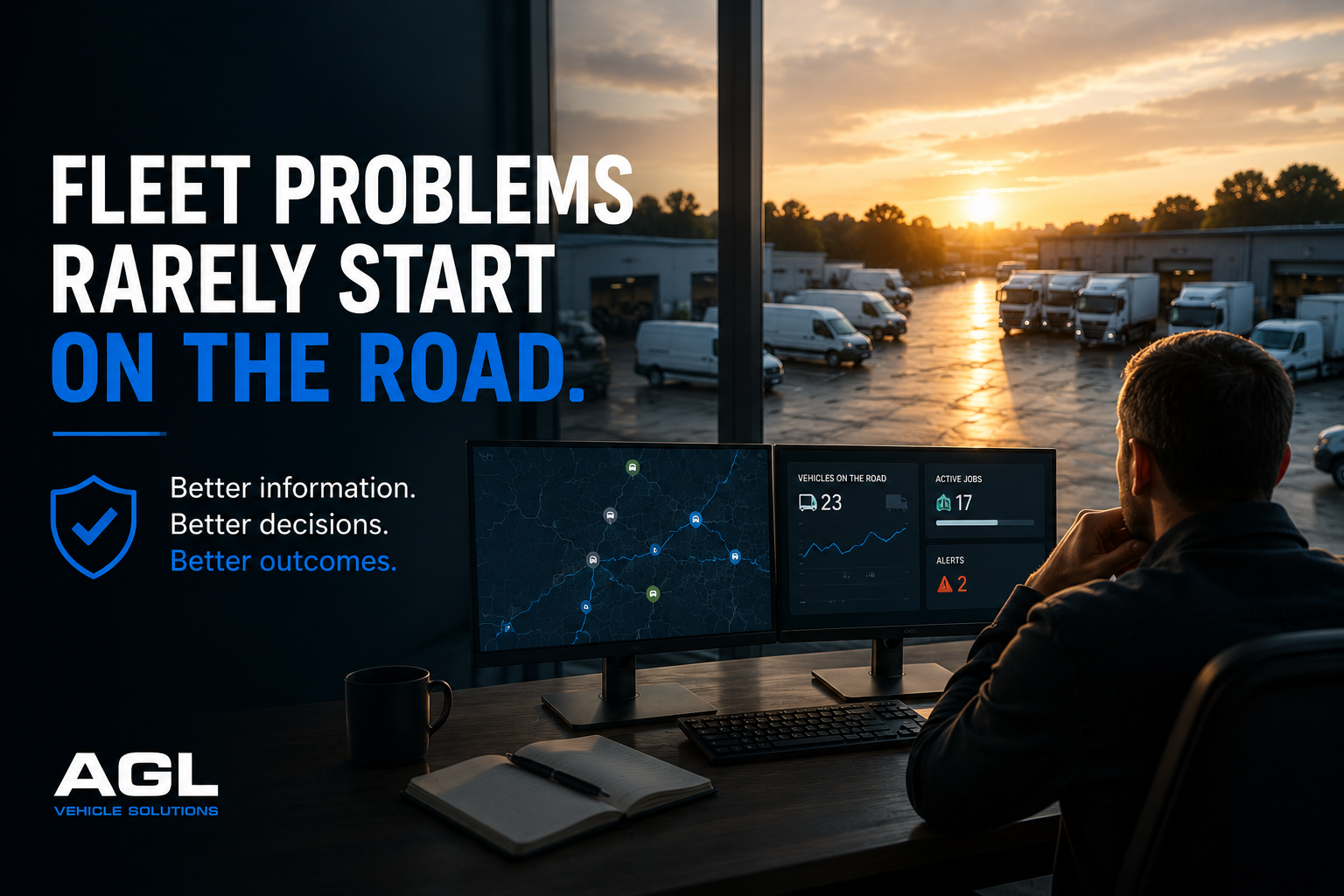
Fleet operations rarely begin at 9am.
For many fleet managers, the first 30 minutes of the day set the tone for everything that follows.
Vehicles need to move.
Drivers need updates.
Customers expect answers.
And if something went wrong overnight, the pressure starts immediately.
Technology can’t remove responsibility — but it can reduce uncertainty.
Here’s what a typical first 30 minutes might look like and where better visibility can make a difference.
Minute 1–5: Checking Overnight Alerts
Before the first meeting.
Before emails.
Before the first phone call.
Many fleet managers start by checking whether anything happened overnight.
Questions often include:
- Did any vehicles move unexpectedly?
- Were there out-of-hours journeys?
- Did any alerts trigger?
- Is every asset where it should be?
Without visibility, these answers often require calls and manual checks.
Modern fleet platforms allow operators to review information quickly and start the day with greater confidence.
Minute 5–10: Vehicle Checks and Readiness
Next comes a simple but important question:
Are today’s vehicles ready to move?
Managers need visibility into:
- Vehicle availability
- Fleet status
- Planned activity
- Operational readiness
Without central visibility, time disappears quickly.
Good fleet management software helps teams move from checking to acting.
Minute 10–15: Driver Updates and Communication
Drivers begin their day too.
Questions start arriving:
- Has the schedule changed?
- Where’s the next job?
- Has anything moved overnight?
Clear information helps reduce unnecessary back-and-forth.
Better visibility creates smoother communication across the operation.
Minute 15–20: Customer Priorities Take Over
By this point, customer expectations begin to shape the day.
Questions arrive quickly:
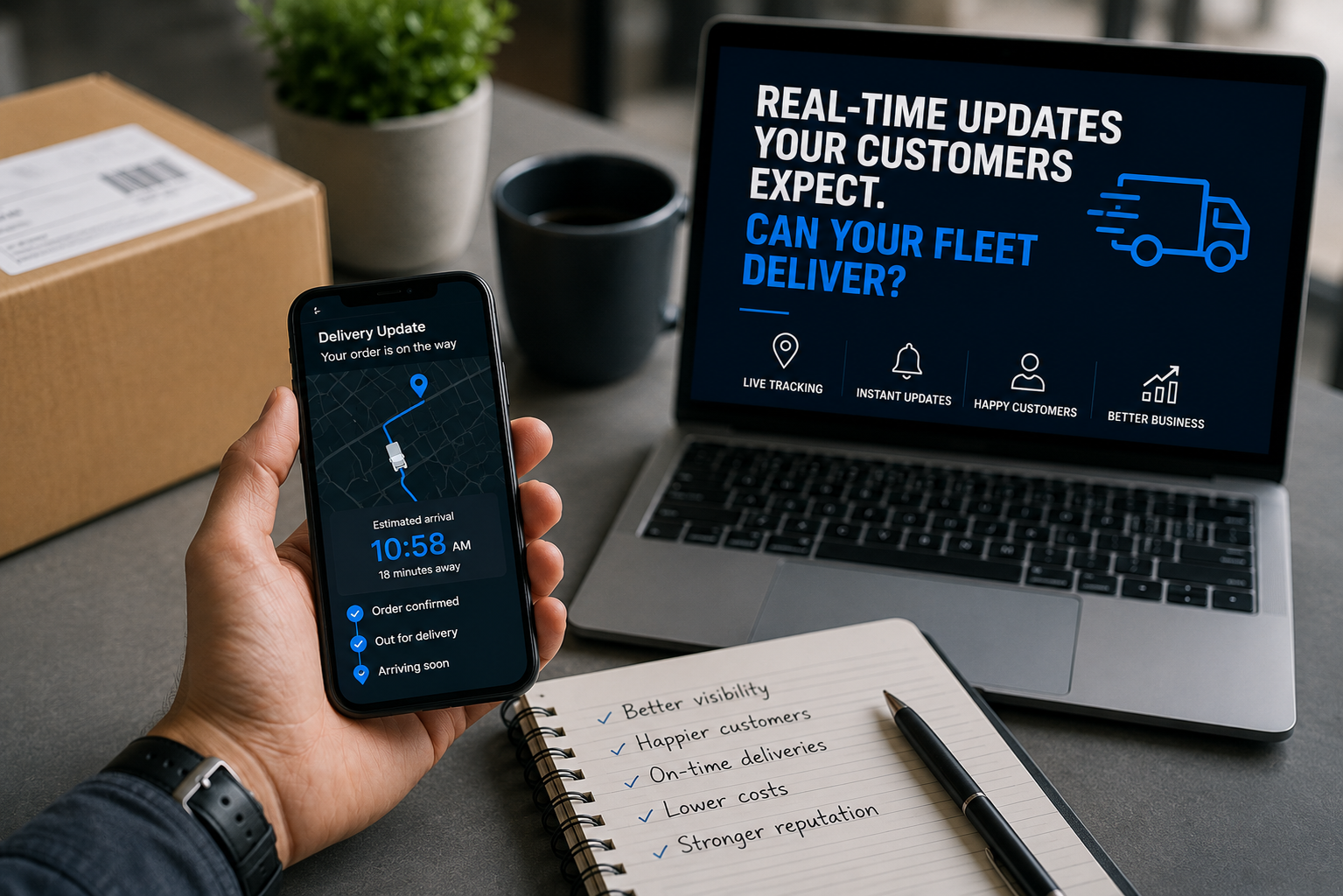
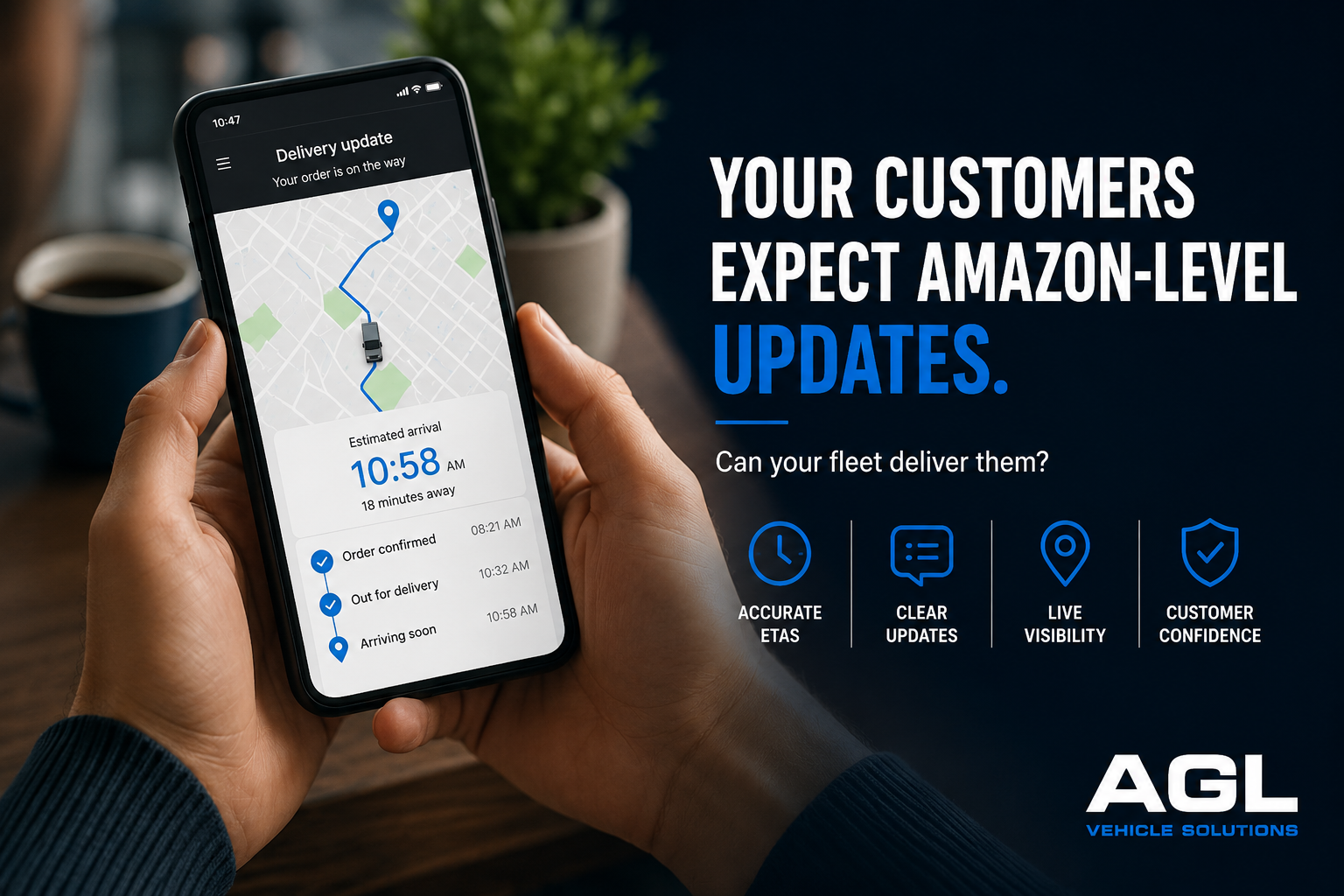
- Can we confirm arrival times?
- Has the vehicle left?
- Can we fit another job in?
The faster information becomes available, the easier those conversations become.
Visibility creates confidence.
Minute 20–30: Planning the Day Instead of Reacting to It
This is where the biggest difference often appears.
Without operational visibility:
✕ Chasing updates
✕ Calling drivers
✕ Rearranging schedules
✕ Reacting to problems
With better visibility:
✓ Prioritising work
✓ Making decisions faster
✓ Responding confidently
✓ Managing proactively
The goal isn’t simply knowing where vehicles are.
It’s creating space to focus on running the operation.
Fleet Operations Should Start With Clarity
Fleet managers already have enough decisions to make.
Technology should help reduce pressure — not add to it.
Visibility doesn’t remove challenges.
But it helps businesses respond with confidence.
See How AGL Simplifies Mornings
Discover how vehicle tracking, cameras and connected fleet technology can support smoother fleet operations and stronger day-to-day visibility.
Speak to AGL Vehicle Solutions and explore solutions designed around your operation.
📞 0800 009 6419
📧
aglsales@agl-ltd.co.uk