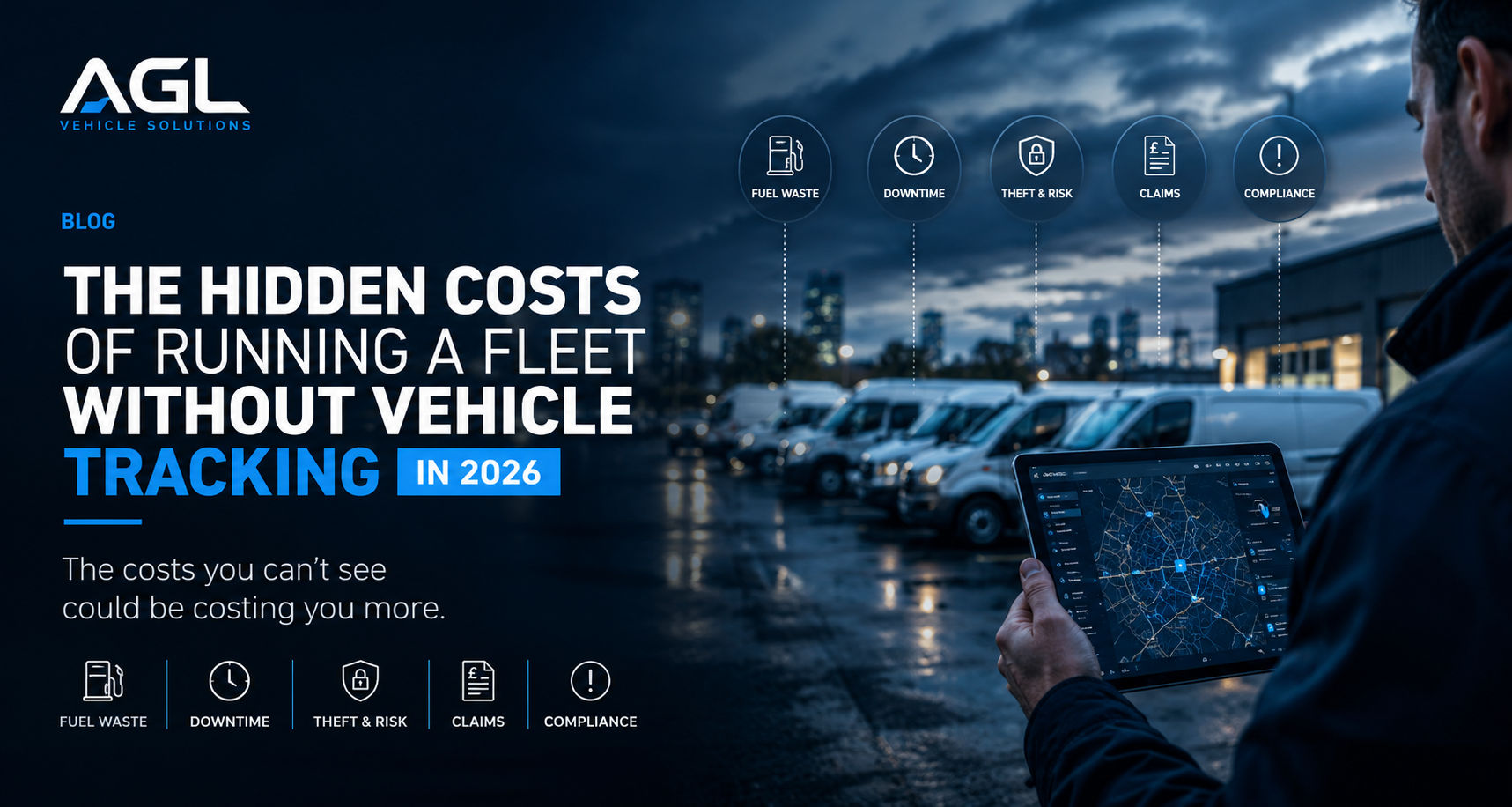
The Hidden Costs of Running a Fleet Without Vehicle Tracking in 2026
Fuel waste, downtime, theft, claims and compliance issues can all become more expensive when fleets operate without real-time visibility.
Running a fleet has never been more demanding. Rising fuel costs, increasing insurance premiums, tighter compliance requirements and growing customer expectations mean operators are under pressure from every direction.
Many businesses still view vehicle tracking as something that simply shows where vehicles are on a map.
The reality is very different.
Modern fleet tracking technology has evolved into a powerful operational tool that helps businesses reduce unnecessary costs, improve visibility, protect drivers and make better decisions every day.
If your fleet is still operating without vehicle tracking, there may be hidden costs affecting your business without you even realising.
1. Fuel Waste Is Costing More Than You Think
Fuel is one of the largest ongoing costs for any fleet.
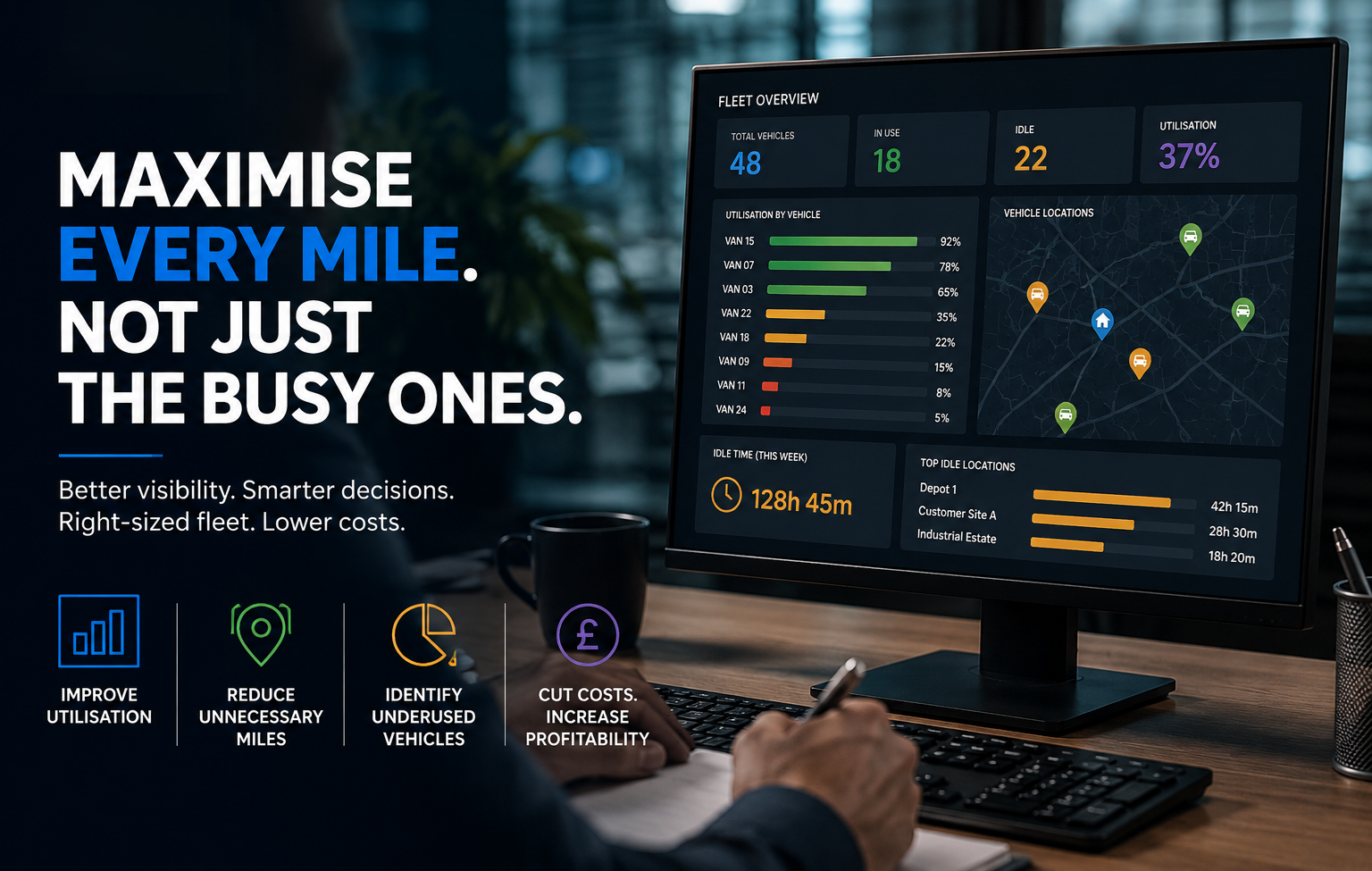
Without visibility, businesses often struggle to identify:
- Excessive idling
- Unauthorised vehicle use
- Poor route planning
- Aggressive driving
- Vehicles spending too long at locations
Even small inefficiencies repeated across multiple vehicles can create thousands of pounds of unnecessary expenditure each year.
Vehicle tracking provides real-time visibility into routes, journeys and driving behaviour, helping managers identify opportunities to improve efficiency and reduce fuel spend.
2. Downtime and Productivity Loss Go Unnoticed
Fleet downtime doesn’t always mean a vehicle is off the road.
Lost productivity can happen through:
- Longer journey times
- Unplanned stops
- Delayed job allocation
- Inefficient dispatching
- Lack of visibility between teams
Without accurate data, businesses often rely on assumptions instead of facts.
Tracking systems allow operators to understand exactly where time is being lost and make changes that improve utilisation.
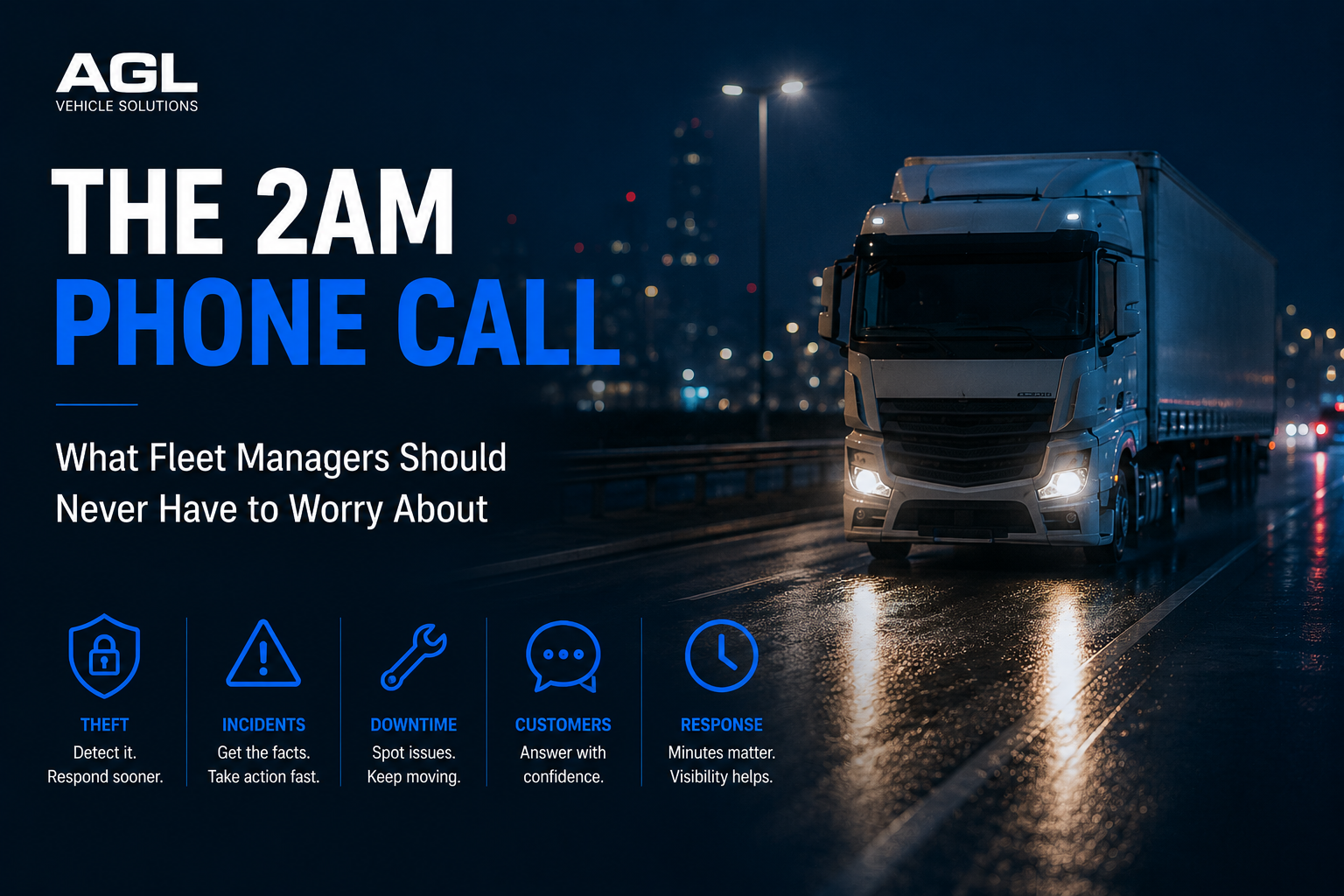
3. Vehicle and Asset Theft Continues to Rise
The financial impact of theft goes far beyond replacing equipment.
When a vehicle or asset disappears, businesses can face:
- Missed customer commitments
- Operational disruption
- Increased insurance costs
- Replacement hire charges
- Lost revenue
Modern tracking systems can provide:
- Live location monitoring
- Geofence alerts
- Movement notifications
- Recovery support
- Historical journey data
Recovering an asset quickly can significantly reduce business disruption.
4. Insurance Claims Become Harder to Defend
When incidents occur, businesses need evidence.
Without location history or vehicle data, disputes can become expensive and time consuming.
Tracking and connected camera technology can provide:
- Journey records
- Time and location verification
- Driver behaviour insights
- Event alerts
- Video evidence where cameras are installed
For many operators, evidence alone can save substantial costs over time.
5. Driver Safety and Behaviour Can Be Difficult to Manage
Drivers face increasing pressure on the road every day.
Most incidents are preventable when managers have better visibility into:
- Harsh braking
- Speeding events
- Excessive idling
- Route efficiency
- Driving trends
Good data supports coaching, safer driving and stronger fleet performance.
The goal is not monitoring for the sake of monitoring.
The goal is creating safer operations and supporting drivers with better information.
6. Compliance Is Becoming More Demanding
Across transport, construction, rail and commercial fleets, expectations around compliance continue to increase.
Businesses are expected to demonstrate:
- Duty of care
- Vehicle usage records
- Operational accountability
- Driver activity
- Safety processes
Technology cannot replace good fleet management—but it can make compliance significantly easier.
Why More Fleets Are Combining Tracking and Camera Technology
Forward-thinking operators are moving beyond standalone systems.
Combining vehicle tracking with intelligent camera technology creates a more complete picture of fleet operations.
Instead of simply knowing where a vehicle was, businesses gain visibility into:
- What happened
- When it happened
- Why it happened
That combination helps reduce costs, improve safety and give managers confidence in decision making.
Final Thoughts
Fleet costs are not always obvious.
Small inefficiencies repeated across vehicles, drivers and journeys can quickly become a significant operational expense.
Vehicle tracking is no longer just about location.
It is about visibility, control, safety and making better business decisions.
If you are reviewing your current setup or considering alternatives, now may be the right time to understand what your fleet data could be telling you.
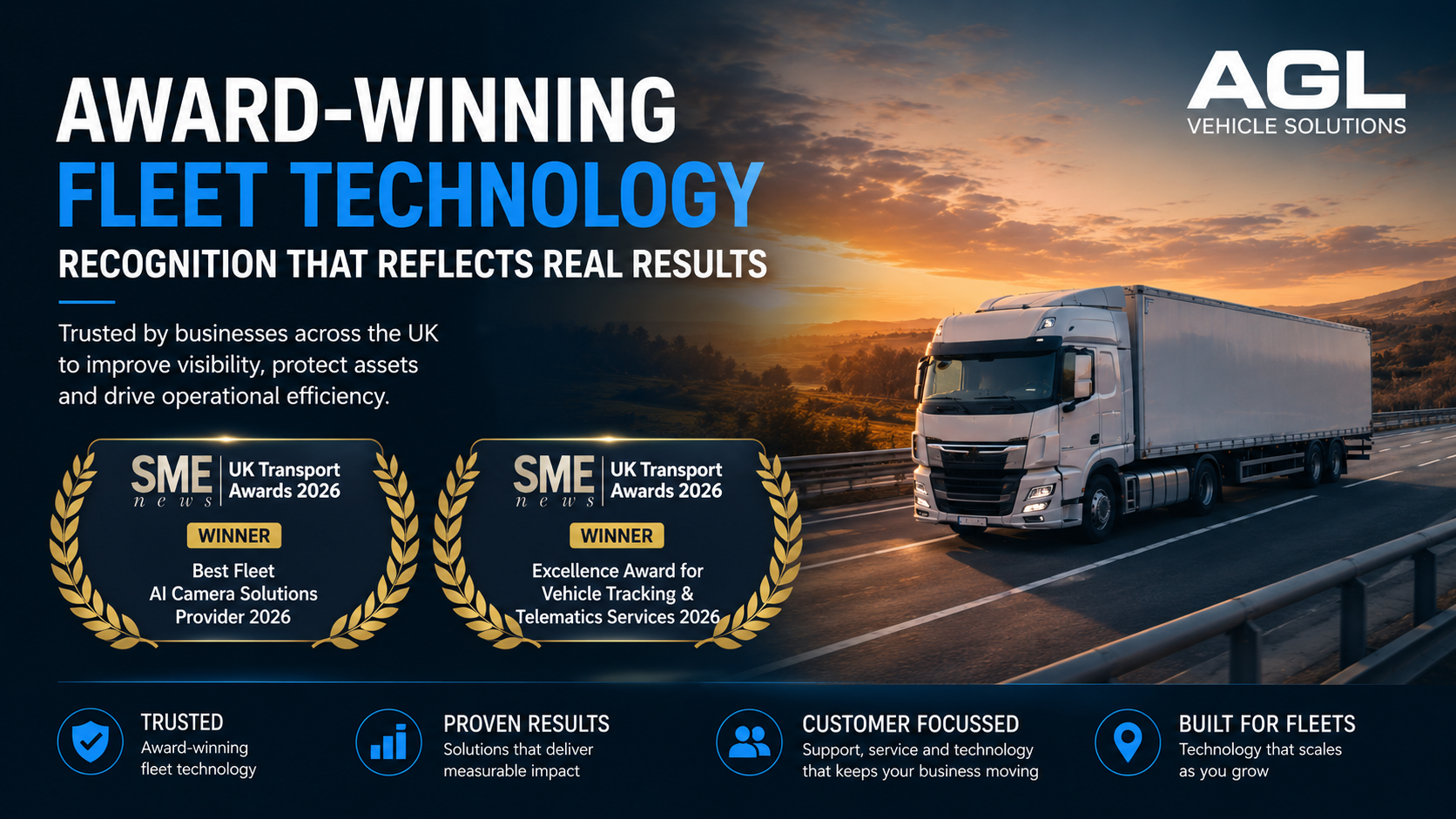
AGL Vehicle Solutions helps businesses across the UK improve visibility with vehicle tracking, intelligent camera systems and connected fleet technology designed to support safer and more efficient operations.